
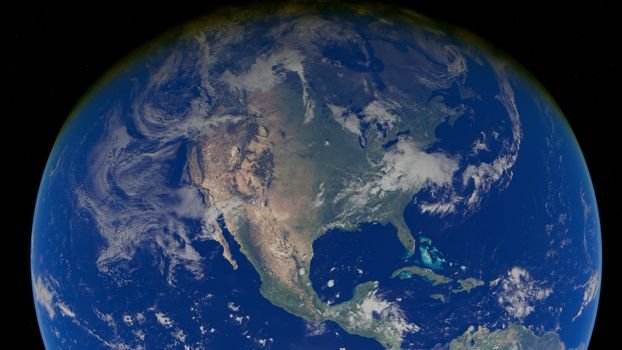
Wildfires continue to wreak havoc across the western United States, particularly in Arizona, Utah, Colorado, and New Mexico. These catastrophic events not only pose immediate threats to life and property but also highlight the escalating climate crisis and the pressing need for responsive environmental policy.

In an era punctuated by warming temperatures and erratic weather patterns, the seasons of wildfires have transformed from occasional events into an unrelenting cycle of destruction. The frequency and intensity of these wildfires can no longer be brushed aside as mere aberrations; they represent a stark reality driven by climate change. First responders and local governments are grappling with blazes that spread rapidly due to dry conditions and high winds, leaving communities scrambling for resources and safety.
The sheer geographical range of the wildfires—spanning across four states—exposes the interconnectedness of ecosystems and communities in the western U.S. Each state experiences unique challenges, yet they collectively face the same overarching threat. This year in particular, officials have reported extensive damage, including not only loss of structures but also severe impacts on air quality and local habitats. As the flames soar, the health effects of smoke will linger long after the fires have been extinguished, leading to increased respiratory issues among the populations exposed.
Yet, discussions surrounding wildfire management often veer toward the allocation of financial resources. Proper funding for firefighting efforts, rehabilitation of affected landscapes, and long-term prevention strategies are critical to mitigating these disasters. However, funding mechanisms remain fraught with inefficiency and delays, bureaucratic hurdles hinder timely response efforts, and firefighting agencies frequently find themselves operating on shoestring budgets that do not reflect the scale of the problem.
Resilience strategies must take center stage as we analyze the implications of these fires. Urban planning, land use policies, and community preparedness plans must evolve in response to new realities dictated by climate change. The notion of simply reacting to wildfires is no longer viable. Preemptive measures such as controlled burns, drought-resistant landscaping, and public education campaigns can help temper the devastation these infernos bring.
In conclusion, the wildfires consuming Arizona, Utah, Colorado, and New Mexico are a clarion call for immediate action to address not just the symptoms of climate change but the systemic issues at its core. Policymakers must unite with scientists and local communities to foster environments that not only survive but thrive in the face of ever-growing threats. This is no longer a distant concern; it is happening now, and it demands a concerted effort to ensure such tragedies do not become the new normal.