
Challenges of Integration for Sri Lankan Tamil Refugees in India
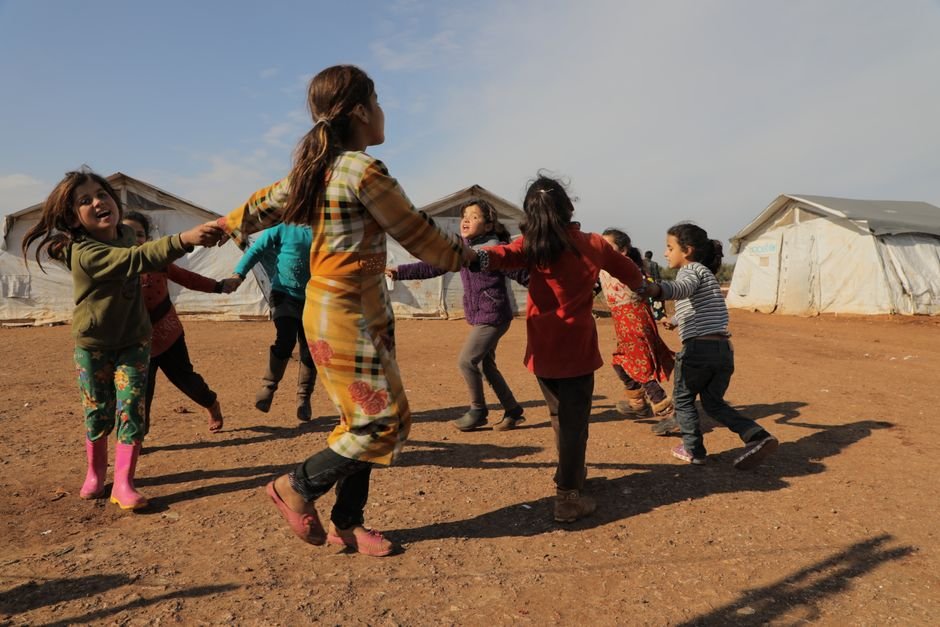
The plight of Sri Lankan Tamil refugees in India presents a complex narrative of hope, resilience, and uncertainty. Currently, over 62,000 Tamil refugees inhabit 107 camps within the southern Indian state of Tamil Nadu, with nearly 37,000 living outside these camps. Many of these individuals arrived during distinct waves, with some having sought refuge over 30 years ago while others fled amidst the turmoil of the Sri Lankan civil war in the mid-2000s. The prolonged time spent in these camps has cultivated a sense of limbo among refugees, who feel disconnected from both Sri Lankan and Indian identities.

Desire for Dignity Beyond the Refugee Label
A notable sentiment among Tamil refugees, particularly the youth, is the desire to shed the label of ‘refugee’. The stigma associated with this term complicates their aspirations for a better quality of life. Youth envision social mobility and empowerment, yet remain hindered by the remnants of their refugee status. Their needs extend beyond mere survival; they seek dignity in integration, aiming for citizenship in India or safe repatriation to Sri Lanka.
Options for the Future: Repatriation or Integration
Refugees face two primary options: repatriation to Sri Lanka, contingent upon improved conditions, or long-term integration within India. Yet, with resettlement no longer an option, they are caught in a fraught decision-making process. The UN Refugee Agency (UNHCR) has facilitated voluntary repatriation while adopting a cautious stance. The fears of refugees about returning to Sri Lanka underscore the complexity of their situation, given the historical ethnic tensions and current discriminatory practices that persist.
Information Gap Hinders Informed Decisions
Access to accurate information regarding the situation in Sri Lanka is paramount for informed decision-making. Unfortunately, the Indian government appears reluctant to provide comprehensive insights, leaving refugees susceptible to misinformation, often shaped by political agendas. Accurate updates from family members in Sri Lanka may constitute their primary source of information, highlighting the critical need for transparent communication channels.
Barriers to Repatriation: Belongings and Land Access
Current repatriation policies aggravate refugees’ hesitancies. The UNHCR’s offer of air travel with a mere baggage allowance of 60 kilograms often proves inadequate for those who have accumulated possessions over years in exile. Furthermore, returnees frequently encounter the harsh reality of occupied lands in Sri Lanka, where government and military forces have settled on properties rightfully belonging to them. This continued occupation feeds into their concerns regarding security and livelihood.
Economic Integration: Skills Development and Livelihoods
While many refugees have benefitted from skills training initiatives that promote self-reliance, the uncertainty about their ability to earn a living in Sri Lanka remains daunting. The voices of refugees amplify this concern, revealing that capital availability and sustainable livelihoods are crucial factors that influence the timing of their return. A woman’s account illustrates this struggle: starting a small business has allowed her to gain independence, yet prospects for others who may not have similar access to resources remain bleak.
Access to Education: The Next Generation’s Future
Education presents another layer of complexity. Refugees desire continuity in their children’s education, wary of the limited prospects in Sri Lanka, where ethnic discrimination persists within academic settings. Statements indicating that Tamils face barriers to accessing higher education further deter many from considering repatriation, solidifying their preference for integration in India.
Call for Strategic Action and Comprehensive Plans
The synthesis of these challenges demands a strategic response incorporating the voices and aspirations of refugees. UNHCR must partner with the Indian government to explore pathways to citizenship for those wishing to stay, ideally transforming camps into communities while addressing issues like statelessness. Furthermore, the need for robust plans that facilitate safe and dignified return to Sri Lanka—including land security and livelihood opportunities—is urgent.
Importance of Community and Reconciliation
Reconciliation remains critical in both scenarios. Peace education initiatives can foster trust-building among divided communities, while ensuring tangible efforts toward returnees’ land rights can mitigate potential tensions. International bodies must engage with the Sri Lankan government to reclaim land for returnees, addressing a core issue that could otherwise exacerbate conflicts.
Conclusion: A Path Toward Stability
The situation for Tamil refugees in India calls for nuanced policy frameworks that recognize their realities and ambitions. Whether they remain in India or decide to return, their dignity and safety must be prioritized. Only through collaborative efforts that integrate refugee voices can the ongoing crisis find resolution, paving the way for a more stable future for all involved.