
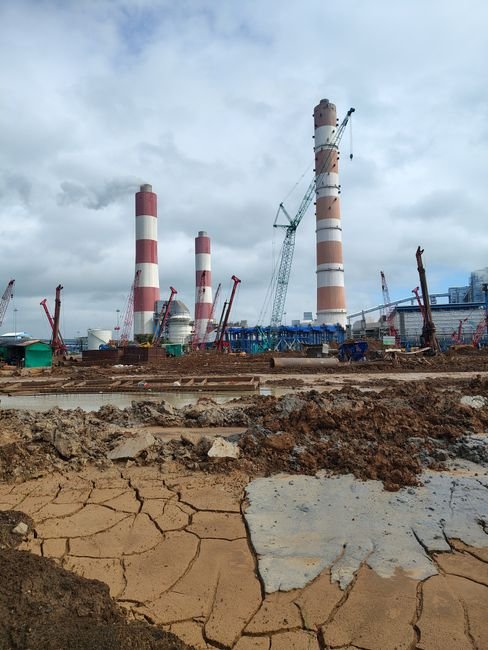
India and Sri Lanka Review Key Power Projects: A Critical Examination

Context of the Review
In a significant move towards strengthening energy ties, ministers from India and Sri Lanka recently convened to assess vital power projects, specifically focusing on the high-voltage direct current (HVDC) systems and the Sampur solar initiative. This collaboration underscores the importance of energy security and infrastructure development in both nations, especially as they navigate the challenges of modern energy demands.
The HVDC Initiative
The HVDC project represents a transformative shift in energy transmission methodologies. This technology can greatly enhance efficiency and reliability in power distribution, presenting a critical component in managing cross-border electricity exchanges. The urgency of adopting such advancements cannot be overstated as countries worldwide grapple with rising energy consumption and climate change imperatives. The collaboration between India and Sri Lanka in this sector could serve as a model, offering insights into cross-border energy sharing in a developing context.
Examining the Sampur Solar Project
Equally important, the Sampur solar project is an ambitious venture aimed at harnessing renewable energy sources to address Sri Lanka’s growing electricity needs. As both nations convene for this review, the emphasis on solar energy reflects a broader trend towards green energy solutions in South Asia. With countries facing severe repercussions from fossil fuel dependency, investing in solar power marks a crucial step in aligning with global sustainability goals.
Challenges Ahead
However, this cooperation is not without its challenges. There is a persistent concern regarding the implementation timelines and political will. Previous projects have faced delays, often due to bureaucratic hurdles and fluctuating political landscapes. The review must not only assess the technical aspects of these projects but also explore governance frameworks that may hinder progress.
Strategic Implications for Bilateral Relations
Furthermore, the implications of this review extend beyond energy policies. Strengthening these power projects may enhance bilateral relations, fostering deeper economic cooperation and potentially stabilizing regional dynamics. As both nations look towards greater engagement, energy collaboration could pave the way for joint ventures in technology transfer and infrastructure development.
Conclusion: Looking Forward
The India-Sri Lanka review of key power projects presents an opportunity for both nations to reassess their strategies in energy collaboration. By focusing on cutting-edge technologies like HVDC and committing to renewable energy through projects like Sampur, they can address immediate energy needs while also contributing to long-term sustainability. As they advance this agenda, the need for transparency and timely execution will be paramount in realizing the full potential of this partnership.