
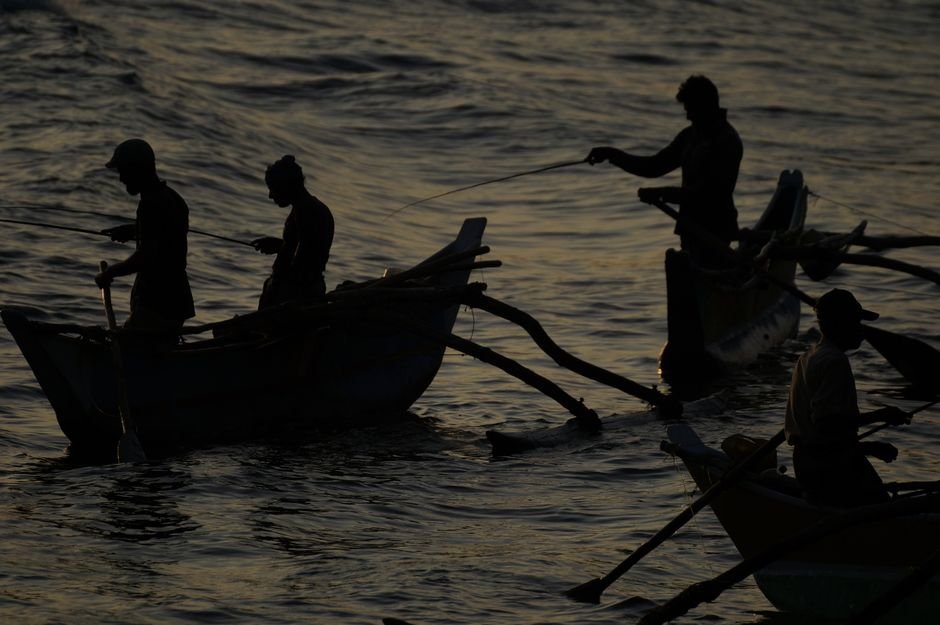
Sri Lanka has renewed its commitment to advocating for small-scale fishers, recognizing their crucial role in sustaining local coastal economies, ensuring food security, and promoting marine conservation. The national initiative aims to bolster support for traditional fishing communities while championing sustainable blue economy practices.

Key Highlights
- New policy frameworks aimed at safeguarding traditional fishing rights and coastal livelihoods.
- Enhanced focus on sustainable marine management to curb illegal and industrial overfishing.
- Upgraded support systems, including better market access, cold-chain infrastructure, and financial safety nets.
Small-scale and artisanal fishers account for a major portion of Sri Lanka’s domestic seafood supply, supporting hundreds of thousands of families along the island’s coastline. Despite their importance, these traditional fishers face escalating challenges from rising fuel costs, severe climate impacts, and encroaching commercial fleets.
The current push to champion small-scale fishers seeks to provide targeted subsidies, improved safety equipment, and stronger coastal zone protections. By placing local fishing communities at the center of maritime governance, Sri Lanka aims to secure both environmental sustainability and economic resilience for future generations.