
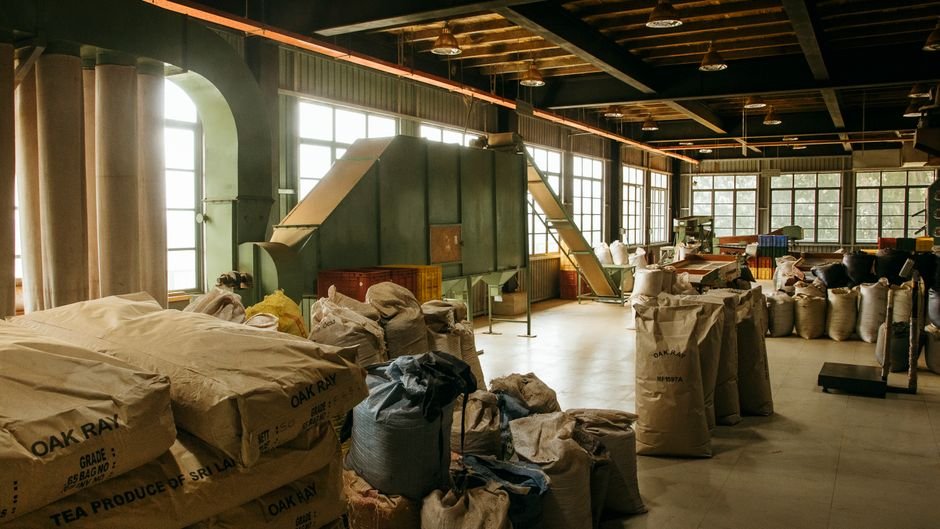
As international pressure and United States sanctions on Iran continue to reshape global trade dynamics, small island economies like Sri Lanka find themselves navigating complex economic fallout. The long-standing trade and diplomatic ties between Colombo and Tehran mean that restrictive measures targeting Iran have direct repercussions on Sri Lanka’s vital sectors, particularly tea exports and energy supply.

Key Highlights
- Tea Barter Mechanism: Sri Lanka relies on a unique ‘tea-for-oil’ arrangement to settle legacy debt with Iran while adhering to international banking restrictions.
- Payment Bottlenecks: SWIFT restrictions on Iranian financial institutions hinder direct banking channels, raising transaction hurdles for exporters.
- Energy Market Volatility: Fluctuations in global oil markets caused by Middle Eastern geopolitical strain place additional pressure on Sri Lanka’s foreign exchange reserves.
- Geopolitical Balancing: Colombo must maintain crucial trade partnerships with Tehran while safeguarding financial ties with Washington and international lenders.
Historically, Iran has been one of the primary buyers of high-grade Ceylon tea, making it a pivotal market for Sri Lanka’s plantation industry. However, severe sanctions on Iran’s banking sector eliminated conventional payment channels. To preserve this trade link without violating U.S. sanctions, Sri Lanka negotiated a specialized trade offset agreement—supplying tea in exchange for clearing historical petroleum debts owed to Iran.
While innovative mechanisms have mitigated immediate trade disruptions, broader global sanctions continue to impact Sri Lanka. Increases in worldwide fuel prices caused by supply disruptions and Middle East instability place additional strain on Sri Lanka’s foreign currency reserves, highlighting how international geopolitical friction echoes across vulnerable economies.