
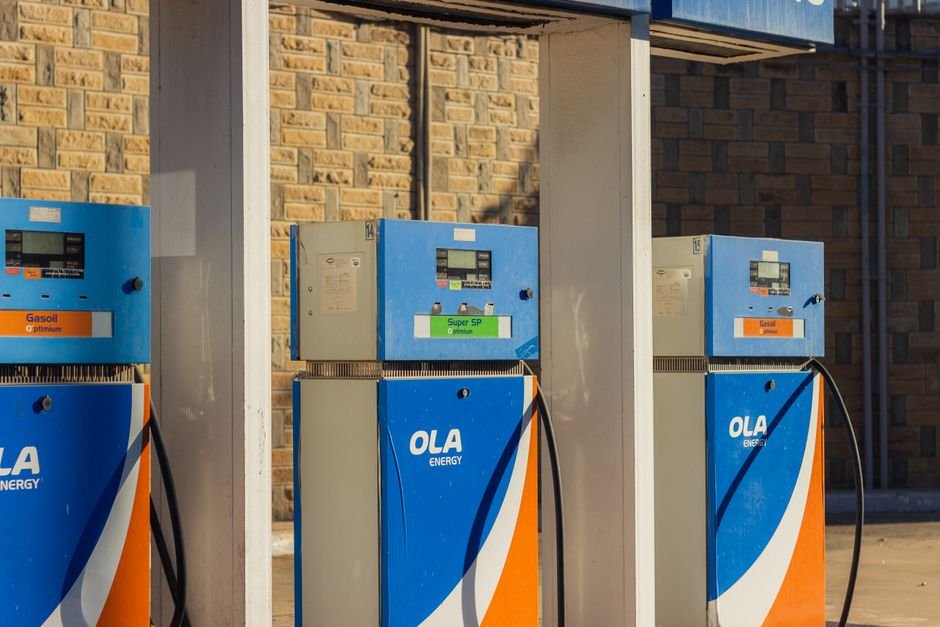
Global crude oil benchmarks have surged past the $100-per-barrel mark, delivering a fresh blow to energy-importing nations and threatening to reignite inflationary pressures worldwide. The price spike comes at a delicate moment for Sri Lanka, where recent macroeconomic data presents a mixed picture of emerging stabilization alongside lingering financial challenges.

Key Highlights
- Oil Market Surge: International crude oil prices crossed $100 per barrel amid global supply constraints and heightened market volatility.
- Import Bill Pressure: Elevated energy costs threaten to expand Sri Lanka’s import bill and increase pressure on foreign exchange reserves.
- Mixed Domestic Signals: While sectors like tourism and worker remittances show encouraging momentum, elevated domestic living costs remain a key concern.
The sudden escalation in global energy prices presents an immediate hurdle for Sri Lanka’s economic recovery. As a nation heavily reliant on imported fossil fuels for domestic transportation and thermal power generation, higher landed fuel costs risk cascading through local supply chains, threatening price stability.
Despite the challenging external environment, local indicators suggest resilience in key growth engines. Tourism arrivals continue to rebound, and overseas worker remittances have maintained a steady flow, providing vital foreign exchange inflows. However, economists warn that sustained three-digit oil prices could offset these gains, emphasizing the need for continued fiscal caution and targeted structural reforms.