
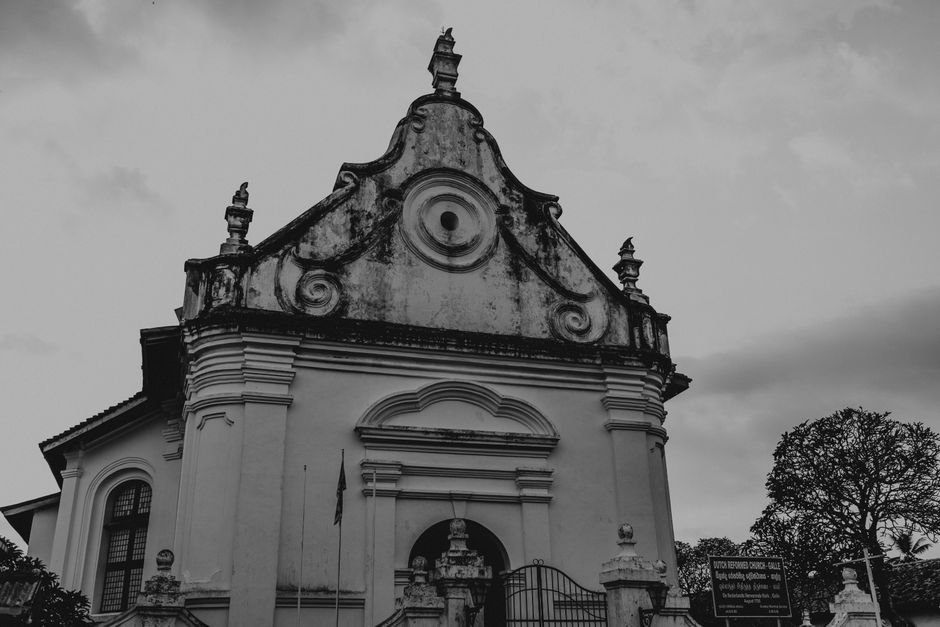
Religious freedom advocates are highlighting growing concerns in Sri Lanka, where Christian communities face mounting pressure from two distinct forms of nationalism. As both Sinhala-Buddhist nationalism in the south and Tamil-centric nationalism in the north gain traction, religious minorities are finding themselves increasingly marginalized within the island nation’s complex socio-political landscape.

Key Highlights
- Sri Lanka’s Christian minority faces friction from both dominant Sinhala-Buddhist and Tamil nationalisms.
- Sinhala-Buddhist nationalistic movements continue to express concern over proselytization and non-traditional worship centers.
- In Tamil-majority regions, localized Hindu revivalism creates additional social pressures on Christian converts.
- Human rights and religious advocates call for stronger constitutional safeguards and interfaith dialogue.
The intersection of identity, religion, and politics in Sri Lanka has long shaped the nation’s civil history. Sinhala-Buddhist nationalism remains a powerful political force, often framing Sri Lanka as a primary sanctuary for Buddhism. Simultaneously, cultural protectionism among Tamil communities in the northern and eastern regions seeks to preserve Hindu heritage, leading to friction with local Christian populations.
Because Sri Lanka’s Christian population spans both Sinhala and Tamil ethnic backgrounds, believers often find themselves caught between these competing nationalisms. Civil rights monitors have documented instances of administrative hurdles for place-of-worship registrations, community disputes, and social pressure aimed at curbing conversions.
International observers and local civil society groups emphasize that protecting minority religious rights is essential for long-term national stability. They urge the Sri Lankan government to ensure robust protection for religious freedoms and promote active interfaith collaboration to heal deep-seated socio-religious divides.