

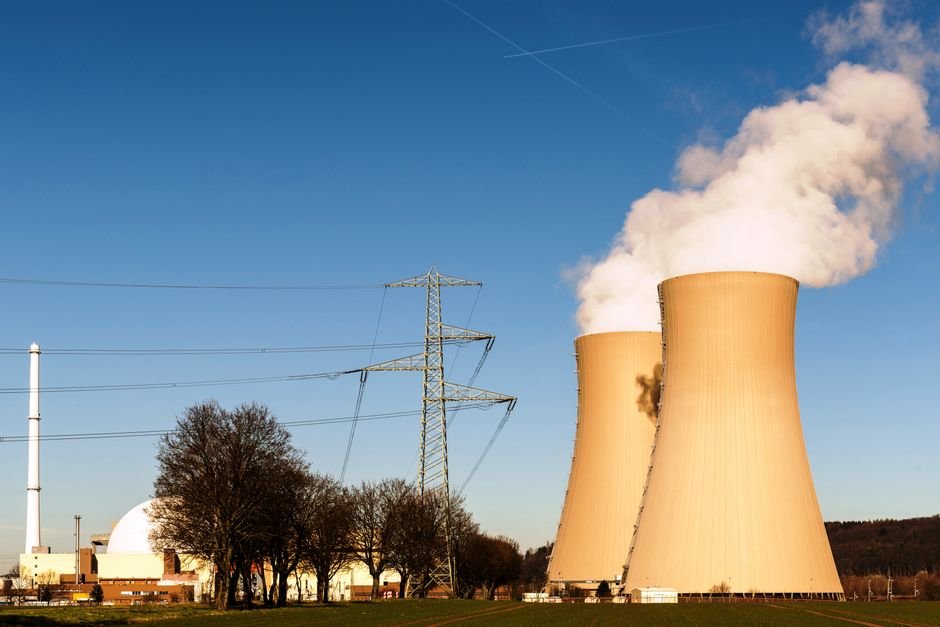
Questions surrounding Sri Lanka’s long-term energy security have brought the prospect of nuclear power into focus as the nation explores viable pathways to meet expanding electricity requirements. With domestic power generation under ongoing evaluation, the role of alternative baseload sources has emerged as a central consideration in addressing systemic supply challenges.

Assessing the viability of nuclear power involves weighing technical capacity, grid compatibility, and the substantial capital investments required to develop non-fossil energy infrastructure. Discussions regarding nuclear adoption center on whether introducing reactors could provide the steady, large-scale generation necessary to alleviate persistent power deficits and reduce reliance on volatile fuel supplies.
Key Factors Under Consideration
- Baseload Capacity: Nuclear power offers high-capacity, continuous electricity generation capable of stabilizing national supply against fluctuating demand.
- Energy Diversification: Introducing alternative generation sources helps shield the power sector from external fuel supply constraints and price volatility.
- Infrastructure and Safety: Any integration requires comprehensive regulatory frameworks, extensive grid modernizations, and rigorous technical standards.
As deliberations continue over how best to structure future power generation, the focus remains on determining whether nuclear energy presents a practical, cost-effective, and safe solution to meet national power needs over the coming decades.