
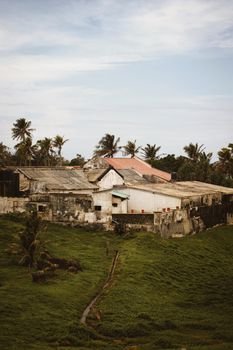
Wewala, in the Southern Province of Sri Lanka, is the site of a pressing environmental and humanitarian issue that demands immediate attention. The local fishermen, primarily reliant on traditional fishing practices, are facing significant challenges due to the increasing influence of industrial fishing operations. This situation raises critical questions about the balance between economic development and the preservation of local livelihoods.

The grim reality for Wewala’s fishermen is exacerbated by the rise in commercial activities in the area. With industrial fishing vessels dominating the waters, traditional fishermen are squeezed out, unable to compete with the larger, technology-driven operations that deplete fish stocks at alarming rates. The undeniable impact is twofold: not only is there a threat to local biodiversity, but also to the very means of survival for families who have fished these waters for generations.
Numbers tell a stark story. The community, once self-sufficient and capable of sustaining their families through fishing, now finds itself at the mercy of an industry that prioritizes profit over welfare. The local economy is suffering as traditional fishing yields decrease, pushing families into poverty and forcing them to seek alternatives that are often inadequate.
Furthermore, the environmental implications of this industrial push cannot be overlooked. Reports indicate declining fish populations, which not only affects the food chain but also poses a risk to the marine ecosystem that supports various species. Ecological degradation is not merely an environmental issue; it directly correlates to the economic viability of communities like Wewala. The long-term effects could render the area uninhabitable for both its people and its marine life.
The conflict between traditional and industrial fishing is representative of a broader trend observed in developing nations where the push for economic advancement often overlooks the rights and needs of local populations. The disheartening narrative playing out in Wewala serves as a microcosm of this larger issue, spotlighting the urgent need for policies that protect both the environment and the people who depend on it.
The voices of the fishermen of Wewala are critical in this dialogue. Their struggle symbolizes a significant socio-economic conflict that, if left unaddressed, may lead to irreversible damage to both their community and the region’s marine resources. This situation calls for an immediate reevaluation of fishing regulations and industrial policies that govern aquatic resource utilization.
In summary, the predicament faced by Wewala’s fishermen is more than just a local concern; it is a clarion call for sustainable practices that balance economic growth with ecological integrity. Without decisive action, the repercussions could be devastating—not just for Wewala, but for coastal communities worldwide grappling with similar challenges. The next steps taken by policymakers and stakeholders will ultimately define the future of this community and its marine environment.