
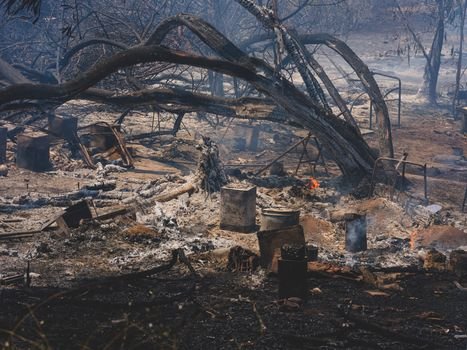
The aftermath of conflict in Sri Lanka reveals complexities that extend far beyond the surface narrative of recovery. The region has recently reported a remarkable economic turnaround, transforming from a post-war economy to one that is reviving with notable vigor. Reports indicate that the gross domestic product (GDP) of Sri Lanka has shown promising growth, yet the question remains: Who truly benefits from this resurgence?

The country experienced a staggering GDP growth rate of 9.6%, a significant rebound from the stagnation that characterized the years of civil strife. It’s a figure that certainly warrants attention; it suggests a recovery that, on paper, appears robust. However, such statistics must be scrutinized. Are the benefits of this growth evenly distributed across the population, or do they merely serve to enrich a small segment of the elite?
Employment figures tell another story. Despite the GDP growth, many sectors continue to languish under the weight of bureaucratic red tape and corruption. The unemployment rate remains a concern, hovering at approximately 5% as reported, casting a shadow over the recovery narrative. Many communities, especially those who suffered the brunt of the war, are seeing little tangible improvement in their daily lives. This disconnect between economic statistics and the lived experiences of citizens raises critical questions about inclusivity in the recovery process.
Investment in infrastructure and social programs has been touted as a key driver of this economic turnaround. Yet, the transparency of these investments remains ambiguous. Reports of misallocation of funds and lack of oversight are prevalent, leading many to question whether the promised infrastructures—roads, hospitals, schools—are truly being built or simply existing as mere lines on a budget sheet. The disparity between urban and rural development here is stark, with rural areas still lagging behind, potentially fostering further socio-economic divide.
In terms of international relations, the observed recovery has attracted foreign investments, particularly from nations seeking to enhance their presence in the Indo-Pacific region. This influx, while beneficial to the national economy, raises the concern of dependency. How sustainable is this growth if it relies heavily on foreign capital? The balance between fostering domestic enterprise and becoming a pawn in geopolitical strategies remains precarious.
As Sri Lanka celebrates its resilience and progress, it must do so with a critical lens. The figures illustrating growth and development cannot overshadow the reality of persistent inequality and the fragility of this newfound prosperity. Policymakers must address these underlying inequities to ensure that rising from the ashes of war translates into a stable and inclusive future for all citizens, rather than a fleeting economic uptick that serves only a few.