
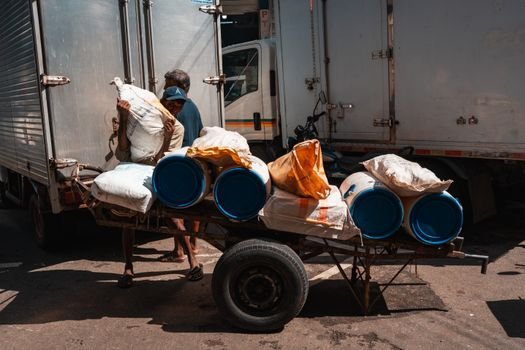
In a bid to confront the dual crises of rampant garbage disposal issues and a rising dengue threat in Colombo, a meeting chaired by the Defence Secretary of Sri Lanka has raised significant questions about governmental responsibility and resource allocation. The meeting underscores not just an environmental dilemma but also the alarming interplay between public health and administrative action—or, as it appears, inaction.

Colombo’s garbage management crisis has spiraled out of control, with mounting evidence that the city’s waste disposal systems are inadequate to service its population effectively. This situation is not merely an eyesore; it poses a direct threat to the health of residents. The lack of a sustainable waste management strategy has led to illegal dumping and overfilled landfills, creating fertile ground for disease-carrying vectors like mosquitoes.
The dengue threat—an outbreak that can escalate rapidly due to poor sanitation—is rising concurrently with this garbage crisis. As Sri Lanka grapples with both environmental and public health challenges, the question arises: why is the onus of addressing these issues falling to the Defence Secretary rather than relevant health and environmental agencies? This conflation of duties could signify a desperate lack of coordination among ministries, or worse, a concerning prioritization of military oversight in civilian matters.
The Defence Secretary’s intervention might suggest a novel approach; however, it simultaneously raises alarms over governmental structures that seemingly falter during crises that ought to fall within the purview of more appropriate sectors. When military officials begin to address garbage and public health, citizens may rightly question whether the government has relinquished its responsibilities to ensure basic public hygiene and safety.
Furthermore, this intervention may be viewed through the lens of resource allocation. If resources are funneled into dealing with what should be everyday administrative tasks by military personnel, it suggests a troubling reallocation of priorities. Where does this leave critical funding and focus on long-term infrastructure improvements for waste management and disease prevention? The need for urgency in addressing these issues is undeniable; yet, the tactics employed could inadvertently mask deeper systemic flaws.
Ultimately, the response to Colombo’s garbage and dengue issues requires clear accountability and a structured approach spearheaded by relevant experts, not the military. As the city navigates these intertwined crises, the dialogue sparked by this meeting should focus not only on immediate action but on establishing a framework for sustainable urban management—one that empowers health and environmental authorities to take the lead. In doing so, the government must prioritize not only tackling the symptoms of this crisis but also addressing the underlying dysfunctions that have allowed them to manifest in the first place.