
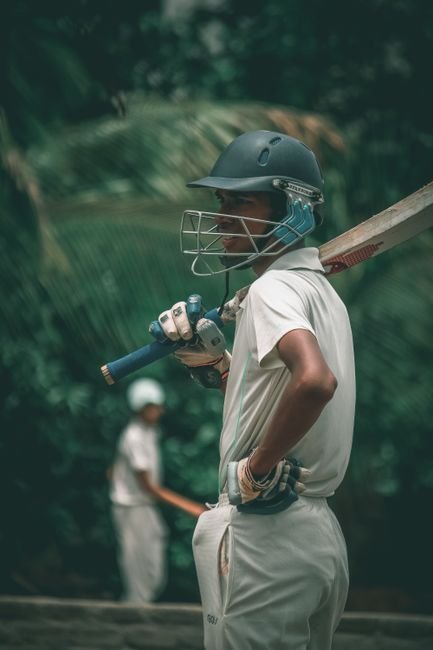
Analysis of Sri Lanka’s New Players’ Body Formation

A Landmark Development for Cricket in Sri Lanka
The recent establishment of the Sri Lankan Professional Cricketers’ Association marks a significant milestone in the country’s cricketing landscape. The World Cricketers’ Association (WCA) has welcomed this formation, describing it as critical for the professionalism and progress of cricket in Sri Lanka. This initiative comes at a crucial time, as Sri Lanka Cricket is undergoing a reform process led by a government-appointed committee.
Player Representation and Professionalism
Kusal Mendis, the white-ball captain, has been appointed the inaugural president of this new body. His leadership in spearheading this organization represents a crucial advancement in ensuring players have a genuine voice—an essential factor in enhancing the structural integrity of the sport. WCA Chief Executive Tom Moffat’s statement highlights that “a strong game and strong player representation go hand in hand.” The emphasis on strengthening player representation reflects a consensus on the need for more significant influence from players in decision-making processes, particularly concerning their welfare and professional opportunities.
Long-Term Commitments and Future Outlook
Women’s team captain Chamari Athapaththu’s endorsement of the association is another vital aspect. The establishment of this body enables stronger negotiation power with the cricket board, especially regarding players’ participation in franchise cricket—a growing sector in the global cricketing arena. With players from 17 of the top 19 cricket-playing nations affiliated with the WCA, excluding only India and Pakistan, the formation of a players’ body in Sri Lanka is a forward-thinking step. It aligns the nation more closely with international trends where player associations have been pivotal in negotiation and representation.
Implications for Sri Lanka Cricket
This move emerges amidst the ongoing reform process in Sri Lankan cricket, which has faced scrutiny over governance and player rights. The lack of a structured players’ association previously has often left cricketers feeling undervalued and underrepresented. With the players now unified and actively involved in shaping cricket’s future, it potentially leads to enhanced player morale and performance on the field.
Conclusion: A Step in the Right Direction
Overall, the formation of the Sri Lankan Professional Cricketers’ Association is a progressive development. It highlights a commitment to enhancing the professional environment within Sri Lankan cricket and equipping players with a robust platform to voice their interests. As Moffat aptly put it, “Cricket thrives when players have a genuine voice,” and with this new body, the pathway for a healthier, more sustainable cricket future in Sri Lanka is being paved—one where players’ rights and voices are finally in the foreground.