
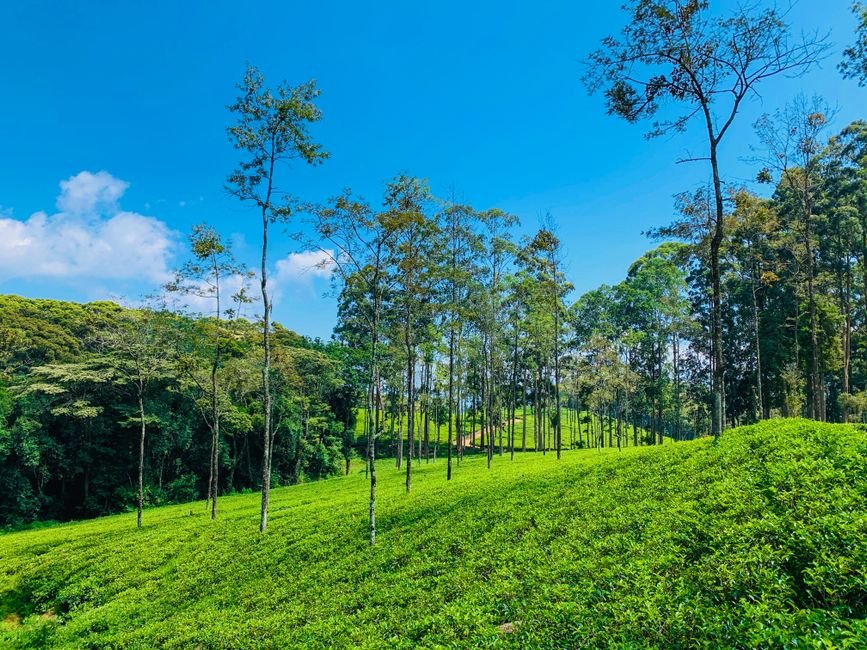
In an effort to combat agricultural soil degradation and protect local watersheds, the implementation of vetiver grass terraces has emerged as a vital solution for slashing fertilizer runoff across Sri Lanka’s steep tea lands. Planted along the severe slopes characteristic of the island nation’s tea-growing regions, these vegetative barriers function as living bio-engineering systems that capture agricultural chemicals and stabilize vulnerable topsoil before runoff reaches surrounding freshwater ecosystems.

Tea cultivation on high-altitude, sloping terrain in Sri Lanka faces persistent ecological challenges due to monsoon rains and steep topography, which frequently strip away essential topsoil and flush synthetic fertilizers into down-slope water bodies. Vetiver grass features an unusually dense, deep-penetrating root network that forms sturdy hedgerows along mountain contours. By slowing down surface water velocity and enhancing soil permeability, these terraced grass lines trap sediments and keep nutrient inputs localized where tea bushes can absorb them.
Key Developments
- Significant Fertilizer Runoff Reduction: Terracing with vetiver grass creates natural sediment traps on steep tea slopes, preventing heavy rains from washing agricultural chemicals into nearby rivers and streams.
- Erosion Control and Soil Moisture Preservation: The robust root systems of vetiver grass stabilize fragile hillsides, stemming severe soil erosion while improving water infiltration and soil quality.
- Protection of Aquatic Ecosystems: Cutting off the flow of excess nitrogen and phosphorus into lower river basins helps mitigate chemical pollution and prevents eutrophication in critical water resources.
The strategic deployment of vetiver grass terraces offers a sustainable, cost-effective land management strategy for tea estates in Sri Lanka. By harmonizing agricultural productivity with ecological conservation, this bio-engineering approach provides an effective defense against land degradation while preserving the environmental integrity of Sri Lanka’s hill-country tea landscape.