
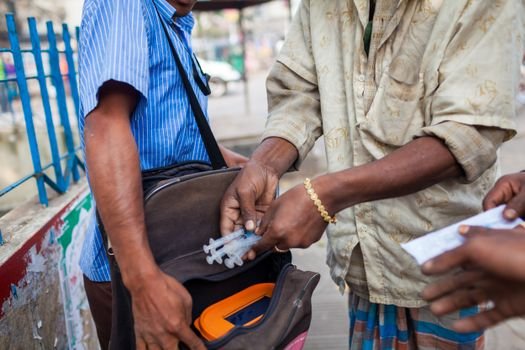
The recent announcement of a dengue response initiative by the US Embassy in Sri Lanka highlights both the proactive approach to addressing a pressing public health crisis and the complex dynamics of international aid amidst ongoing challenges. This initiative emerges against the backdrop of escalating dengue fever cases in Sri Lanka. Understandably, the country is grappling with this mosquito-borne illness, which illustrates the urgent need for an effective response to safeguard public health.

Dengue fever is not merely a health concern but a socio-economic one, impacting not only the well-being of individuals but also straining health systems and resources. The US Embassy’s initiative can be seen as an acknowledgment of the severity of this disease. However, it also prompts scrutiny regarding the adequacy and breadth of support provided by the international community, particularly when local healthcare infrastructure often struggles with the load. This raises questions about the sustainability of such initiatives. Will they lead to long-term capacity-building and enhanced resilience, or will they serve as momentary relief in the face of a recurring crisis?
This initiative also underscores the broader geopolitical context of aid. While the US presents itself as a partner in health, one must consider the implications of foreign intervention in local public health crises. What are the motivations behind this support? Is it a genuine humanitarian effort, or does it align with strategic interests in the region? A critical examination shows that while health initiatives are essential, they cannot be divorced from the underlying power dynamics between nations.
Furthermore, the message the US Embassy sends resonates on multiple levels. For the residents of Sri Lanka, the response may provide immediate reassurance and resources to combat dengue. Yet, what happens when the media coverage fades and the spotlight shifts elsewhere? Will the local health authorities be equipped to continue combating the disease independently, or will they continue to rely on external partners? Such questions are vital for understanding the lifecycle of international health initiatives.
As this initiative unfolds, the effectiveness of the US Embassy’s response will serve as a barometer for future foreign health engagements: capable aid that adapts to the local context or a top-down approach that overlooks systemic issues. Ultimately, how this initiative is perceived and implemented could test the resilience of Sri Lanka’s healthcare system and reflect broader trends in international aid philosophies. The current situation surrounding dengue in Sri Lanka is a reminder of the intricate relationship between health, governance, and international collaboration.