
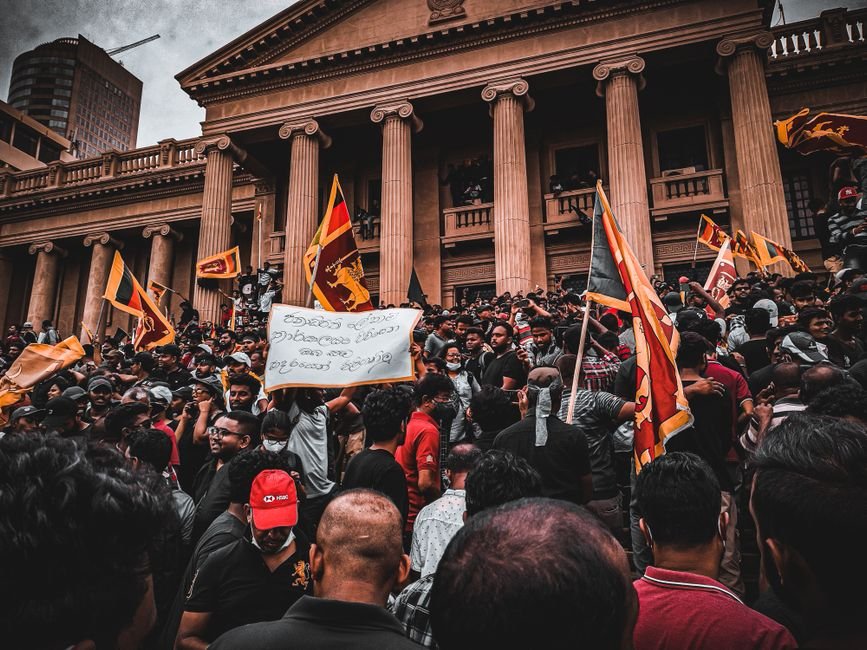
A recent assessment by the United Nations Human Rights Office has revealed that Sri Lanka has made negligible progress toward establishing justice, accountability, and reconciliation for past human rights violations. Highlighting a persistent climate of impunity, rights organizations including Human Rights Watch are urging international governments to take decisive action.

Key Highlights
- Stalled Accountability: Domestic initiatives have failed to hold high-ranking military and government officials accountable for past violations.
- Ongoing Harassment: Victims’ families, human rights defenders, and journalists continue to face surveillance, intimidation, and threats.
- Calls for International Intervention: The UN report recommends that foreign governments utilize universal jurisdiction and targeted sanctions against alleged perpetrators.
The findings underscore that despite repeated assurances from successive Sri Lankan administrations, political resistance and systemic flaws continue to impede genuine transitional justice. Domestic mechanisms established to investigate wartime abuses and enforced disappearances have largely failed to deliver truth or reparations to victims.
Human Rights Watch strongly endorsed the UN’s findings, emphasizing that domestic legal processes remain compromised. Rights advocates are now appealing to the UN Human Rights Council to renew and reinforce international mandates for evidence gathering, ensuring accountability for grave abuses committed in the country.