
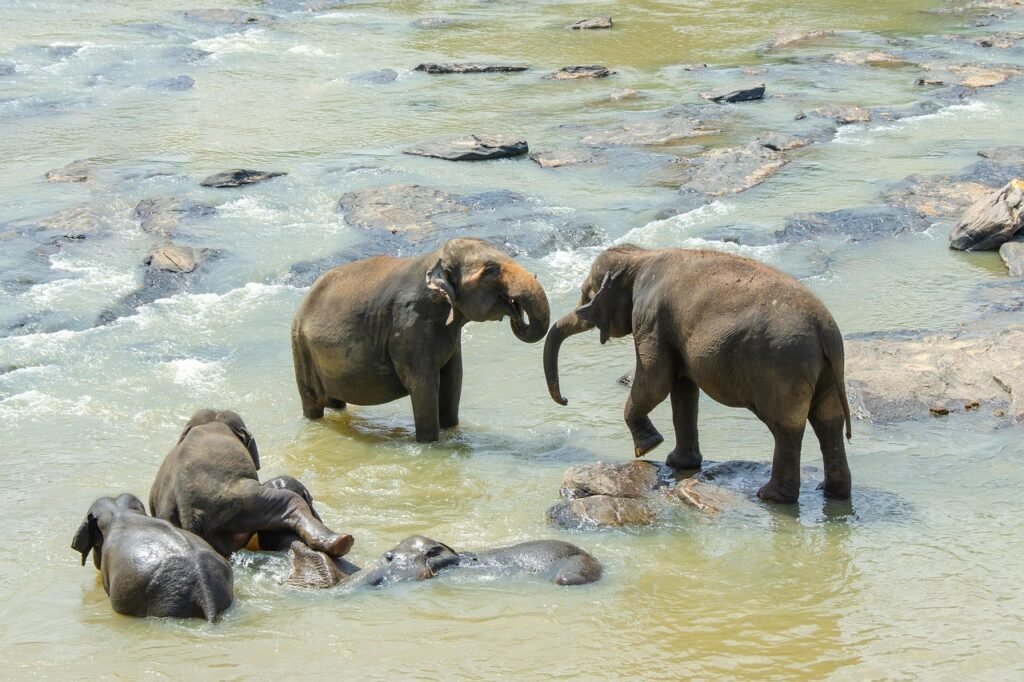
Uga Resorts has embarked on a notable new initiative aimed at preserving elephant populations while concurrently safeguarding local Sri Lankan communities. This initiative reflects the growing recognition of the interconnectedness between wildlife conservation and community welfare, a relationship that is often overlooked in the broader dialogue surrounding environmental sustainability.

As human encroachment continues to infringe on natural habitats, the delicate balance between wildlife needs and human livelihoods becomes pivotal. Elephants, revered for their majesty yet often perceived as threats to agricultural lands, present a complex challenge in Sri Lanka. Uga Resorts’ project proposes not only to protect these iconic animals but also to provide tangible support to communities who coexist with them. The dual focus raises the question: can tourism-driven conservation effectively bridge societal divides while fostering economic stability?
The venture hints at a burgeoning trend in which the tourism sector positions itself as a proactive player in conservation efforts. By aligning conservation goals with community empowerment, initiatives like this could shift the paradigm away from traditional exploitative tourism, which often damages the very environments it seeks to promote. However, this hopeful narrative requires close scrutiny. Without a thorough, transparent operational plan and measurable outcomes, it risks falling into the pitfalls of performative environmentalism, where efforts serve more as a marketing strategy than a genuine commitment to ecological and social well-being.
Moreover, the effectiveness of this project hinges on collaboration with local stakeholders. The real test will be in the execution: Are the communities engaged as genuine partners in the conservation process? Are representatives of these communities involved in decision-making, ensuring their voices and concerns guide the program? These critical questions must be addressed to garner trust and create a sustainable model that benefits both elephants and humans alike.
While the initiative is a positive step forward, the broader implications of its success or failure will impact not only wildlife but also the socio-economic fabric of Sri Lanka. The delicate interdependence between conservation efforts and local communities underscores a pressing need for ethical tourism frameworks that prioritize authentic engagement over superficial appeal.
In summary, Uga Resorts’ elephant conservation project positions itself at the intersection of ecology and community welfare. The potential is substantial, but only through responsible implementation and rigorous accountability can it emerge as a viable model for conservation that resonates across borders and decades. The world will be watching to see whether this initiative can deliver on its promises, fostering coexistence and mutually beneficial relationships in the heart of Sri Lanka.