
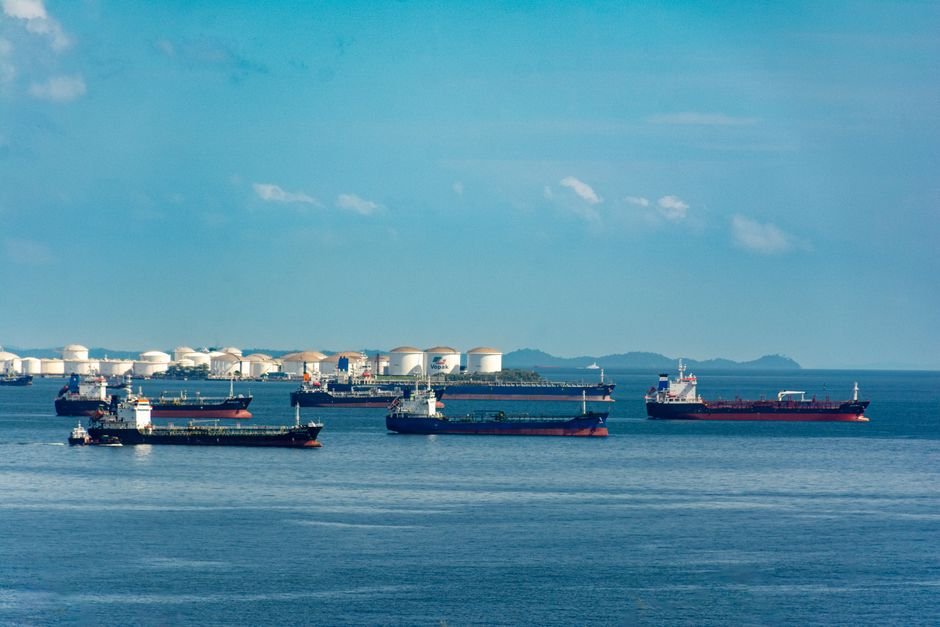
A targeted enforcement strategy by the United States aimed at disrupting Iranian energy exports has left multiple Iranian oil tankers stranded across Asian waters. As Washington sharpens its sanctions framework and applies sustained pressure on regional maritime services and port authorities, vessels transporting Iranian crude are encountering severe obstacles in discharging their cargoes, securing necessary logistics, or navigating standard trade channels.

The intensified pressure campaign has significantly elevated compliance risks for local authorities, fuel suppliers, and maritime service providers across key Asian transit hubs. Fearing severe secondary sanctions and financial penalties, regional ports and shipping infrastructure operators are increasingly refusing to assist or admit vessels associated with Iranian oil transport. Consequently, numerous tankers remain idling offshore without clearance to dock or transfer crude.
Key Developments
- Heightened Enforcement Impact: U.S. pressure initiatives have severely constrained the operational mobility of Iranian oil tankers navigating Asian maritime corridors.
- Port Access Restrictions: Regional maritime service providers and port authorities are denying services and docking privileges to avoid secondary sanction risks.
- Logistical Stagnation: Prolonged offshore delays for stranded vessels reflect broader disruptions across illicit energy supply networks and global shipping lanes.
The lingering presence of these stranded vessels highlights the far-reaching impact of diplomatic and economic measures on maritime logistics. As global financial institutions and maritime oversight bodies increase their scrutiny, energy traders and shipping operators across Asia are adjusting to an increasingly restrictive enforcement landscape.