
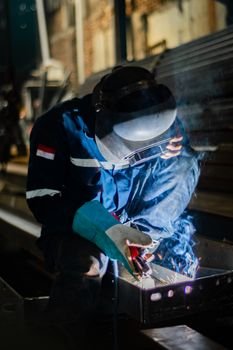
The tragic fire at a helmet factory in Sri Lanka, which resulted in the deaths of five workers, underscores a pressing issue that often lurks in the shadows of industrial safety regulations. The loss of life in such incidents is not merely an unfortunate occurrence; it reflects systemic failures in workplace safety protocols and regulatory oversight.

The circumstances surrounding the fire paint a stark picture of neglect. The industry is often characterized by a relentless pursuit of profit, with safety measures frequently sidelined in the quest for efficiency and lower production costs. In this case, the absence of adequate safety precautions has culminated in a catastrophic outcome, raising questions about corporate responsibility and oversight.
Critically, one must scrutinize the local regulatory framework that governs industrial safety. The authorities must demonstrate how stringent these regulations are and whether they are applied uniformly across industries. The lethal implications of non-compliance are evident, and incidents like this fire serve as tragic reminders that profits should never eclipse the imperative of worker safety.
The ramifications of such disasters extend beyond the immediate loss of life. Families are irrevocably altered, and communities grapple with the emotional toll of sudden bereavement. Moreover, the economy suffers when companies fail to protect their workforce, leading to decreased productivity and diminished public trust. The societal cost of negligence in workplace safety can be far-reaching, extending into public health, economic stability, and collective morale.
As we reflect on this heart-wrenching incident, it becomes apparent that immediate action is required. There must be a concerted push for accountability from both employers and regulators to ensure that such tragedies do not recur. This includes not only the enforcement of stricter safety measures but also fostering a culture where worker safety is paramount.
In the face of such calamity, it is crucial for all stakeholders—governments, businesses, and civil society—to galvanize efforts towards creating safer workplaces. The lessons from this fire must catalyze a historical shift in how industries approach safety, treating it not as a bureaucratic obligation but as a fundamental human right. The gravity of this event should resonate, compelling action that honors the memory of those five workers who lost their lives in a preventable disaster.