
Tragedy Strikes Sri Lanka’s Tea Region Amid Severe Weather
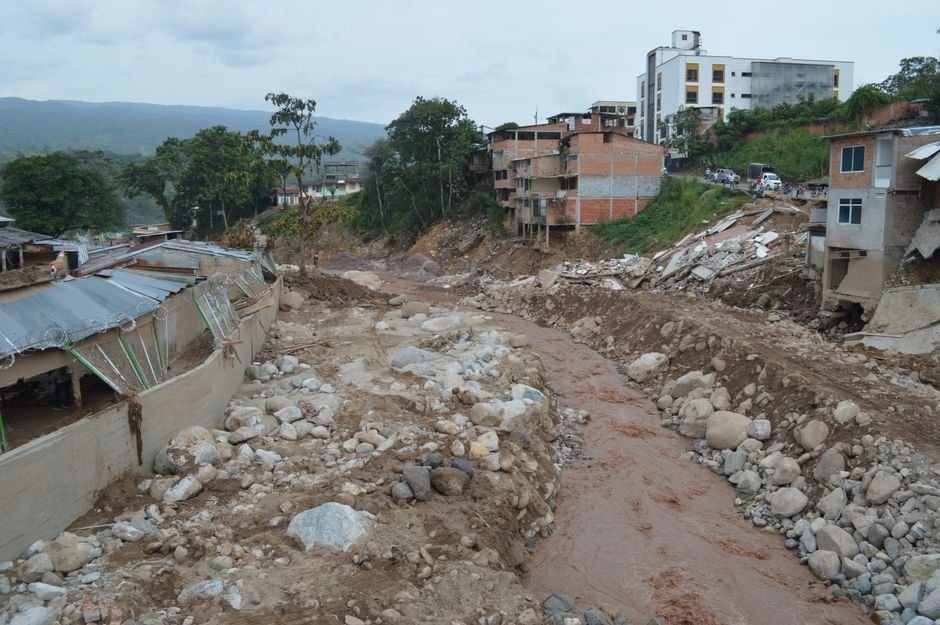
As heavy rains continue to lash Sri Lanka’s central mountainous tea-growing regions, a devastating series of floods and mudslides has claimed five lives and injured three others, illustrating a persistent and perilous pattern exacerbated by climate change. The relentless downpours over the past 48 hours, according to officials, have inundated homes and agricultural land, and even forced the closure of schools in the affected areas.

Magnitude of the Disaster
The Sri Lankan government’s Disaster Management Center has confirmed that mudslides engulfed two homes, contributing to the fatalities and leaving two more individuals unaccounted for. This tragic incident underscores the serious risks residents face when extreme weather events occur, particularly in regions known for their susceptibility to natural disasters.
In addition, a staggering 129 houses suffered damage, necessitating the evacuation of nearly 2,000 residents. The deployment of navy and army troops for rescue operations emphasizes the dire circumstances that families are enduring in this crisis. With infrastructural damage already evident, the nation faces an uphill battle in recovery and rehabilitation.
Historical Context and Recurring Disasters
This latest tragedy is particularly painful, coming on the heels of the November disaster caused by Cyclone Ditwa, which claimed 640 lives, affected two million people, and caused an estimated $4.1 billion in damages. The Central Province was the hardest hit during that cyclone, and ongoing struggles to rebuild essential infrastructure—roads, railways, and homes—are still evident. The continuing impact of these disasters highlights systemic vulnerabilities within Sri Lanka’s disaster response and recovery apparatus.
A Pattern of Destruction
Every year, mudslides and floods wreak havoc in Sri Lanka, primarily triggered by heavy monsoon rains. The cyclical nature of these disasters poses an alarming question: Are current disaster management strategies sufficient to protect vulnerable populations from the devastating impacts of climate change and natural disasters?
Authorities must address the systemic issues that exacerbate the loss of life and property in the face of such weather events. As communities are repeatedly caught in the devastating cycle of natural disasters, the need for long-term infrastructural and environmental resilience strategies becomes ever more urgent.
A Call for Action
The events of the past few days must serve as a wake-up call for policymakers and disaster management authorities. It is imperative that a multi-faceted approach is developed—one that combines immediate rescue efforts with long-term planning efforts aimed at mitigating future risks.
In the face of climate change and increasing frequency of extreme weather patterns, the people of Sri Lanka deserve better than to be trapped in this cycle of devastation. The time for comprehensive action is now, not just for recovery, but for resilience against the storms that are sure to come.