
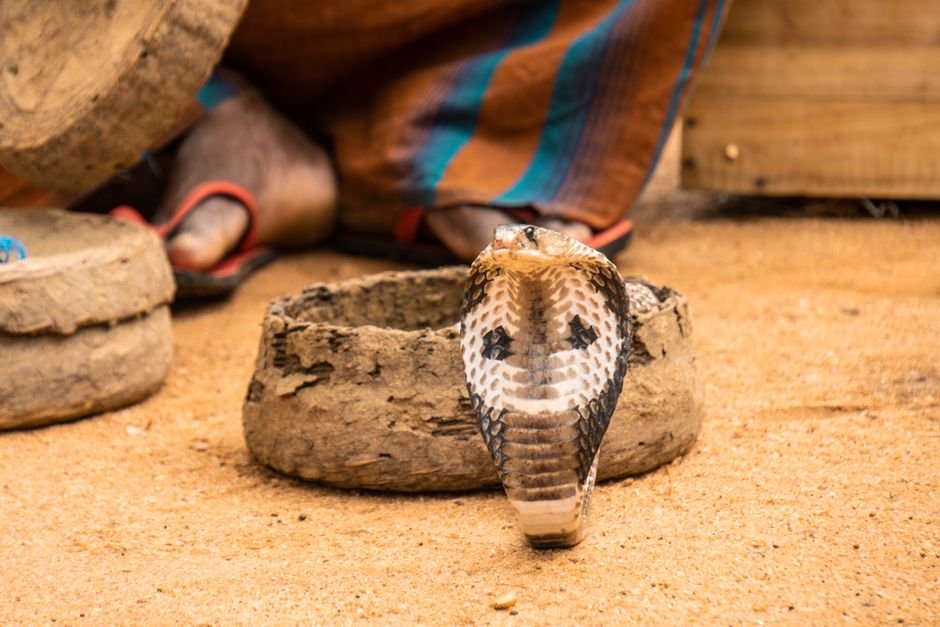
In the rich cultural landscape of Sri Lanka, the traditional practice of snake charming has long occupied a unique space—evoking a complex mixture of public fascination, deep-seated fear, and ancient folklore. Today, however, this long-standing craft is rapidly disappearing across the island nation. As changing social dynamics, legal protections for wildlife, and shifting economic realities take hold, the once-familiar sight of itinerant performers showcasing venomous reptiles is quietly fading from urban centers and rural gatherings alike.

For generations, snake charming in Sri Lanka served as both a specialized livelihood and an oral tradition passed down through distinct communities and families. Performers relied on a close observation of serpent behavior, using rhythmic movements and wind instruments to engage cobras and other species. Yet, the practice has always existed alongside a tense relationship between the public and native reptiles. While snakes hold symbolic and sacred significance in local heritage, human-snake encounters in rural areas continue to generate widespread apprehension, creating a dual perception of these creatures as subjects of both wonder and alarm.
The ongoing decline of snake charming reflects broader ecological and societal transitions across the country. Heightened public awareness regarding animal welfare, combined with stricter enforcement of wildlife conservation laws prohibiting the capture and keeping of wild serpents, has significantly curtailed street performances. Additionally, younger generations within traditional practitioner lineages are increasingly pursuing formal education and modern employment opportunities, choosing to leave behind a perilous trade that offers limited financial security.
Key Developments
- Declining Tradition: Sri Lanka’s street snake charming is steadily disappearing as traditional practitioners transition out of the trade.
- Conservation and Animal Welfare: Increased emphasis on wildlife protection laws and public awareness regarding animal rights have restricted the capture and public display of wild reptiles.
- Socioeconomic Shifts: Younger members of traditional performer communities are opting for modern career paths rather than inheriting the legacy practice.
As the practice of snake charming recedes into memory, it leaves behind a complex legacy in Sri Lankan heritage. While wildlife advocates and conservationists emphasize the positive ecological outcomes of leaving native snake populations undisturbed, the fading trade highlights Sri Lanka’s broader effort to balance the preservation of traditional cultural practices with modern environmental and animal protection standards.