
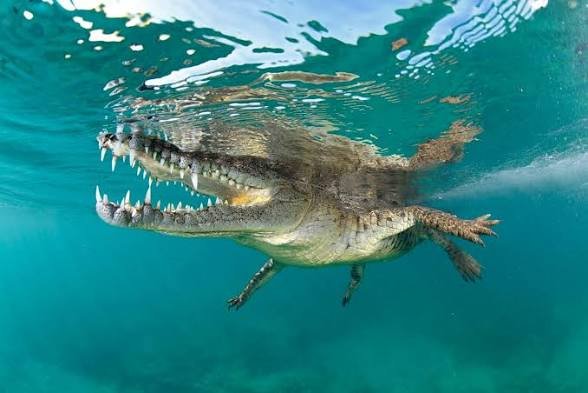
Crocodile Encounter on Sri Lanka Beaches: A Call for Caution
Recent events in Sri Lanka have drawn attention to the serene yet unpredictable nature of coastal environments, particularly where human activities intersect with wildlife. In a shocking incident that unfolded at a popular surfing location, surfers found themselves sharing the waves with a crocodile, an occurrence that raises significant questions about safety and environmental management in recreational areas.

The Incident and Its Implications
The viral video depicting surfers interacting with the crocodile has sparked both intrigue and alarm. While the footage may appear entertaining, it underscores a grim reality: the potential dangers surfers face when wildlife is present in their recreational arenas. A crocodile sighting, particularly close to populated surfing spots, is not merely a spectacle; it is a stark reminder of the wild’s unpredictable nature and the need for enhanced safety protocols.
A Growing Concern for Wildlife Management
The incident accentuates a broader concern regarding how human activities encroach upon natural habitats. As surf culture thrives, so too does the pressure on coastal ecosystems. The presence of crocodiles in Sri Lankan waters can often be attributed to habitat disruption, pollution, and climate change, all of which alter animal behaviors and migration patterns. Without effective wildlife management strategies, these encounters may become more frequent, placing both surfers and the reptiles at risk.
Addressing Safety Measures
The surfers’ unexpected encounter with a crocodile calls for immediate action from local authorities and surf organizations. Implementing clearer signage, establishing designated surf zones, and educating surfers about wildlife encounters are critical steps. Furthermore, it is essential to invest in research to understand better the behavior of crocodiles in relation to human activity, particularly in popular surfing areas.
Cultural Implications and Community Responsibility
This incident also speaks to the cultural dynamics within surf communities. While the thrill of riding waves is at the heart of surfing culture, it is vital to maintain respect for the natural environment. Surfers are not merely participants in a sport; they are also stewards of coastal ecosystems. The community must advocate for balance between enjoying their passion and preserving the biodiversity of these coastal zones.
A Call for Awareness
As the surfing community processes the implications of this close encounter, it is essential to foster a dialogue about coexistence with wildlife. The juxtaposition of pleasure and peril in such situations demands a nuanced understanding of the ecosystems surfers engage with. Addressing the risks while promoting safe surfing practices can help ensure that memorable moments on the water remain just that—memorable, and not dangerous.
In conclusion, while the viral nature of the crocodile surfing video may entertain, it encapsulates deeper issues that require reflection and proactive solutions from all stakeholders involved in coastal recreation and management.