
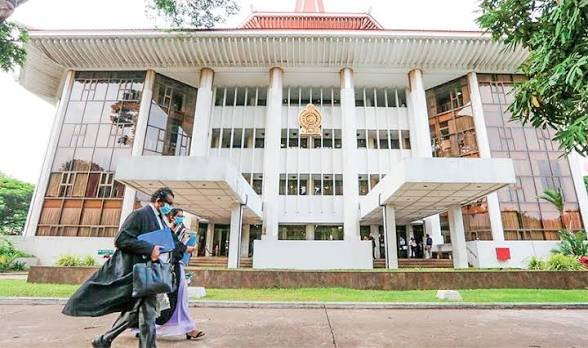
Legal Challenge Mounted Against 22nd Amendment to Constitution
In a significant move highlighting the ongoing tensions surrounding judicial reform in Sri Lanka, several petitions have been filed with the Supreme Court challenging the newly proposed 22nd Amendment to the Constitution. Introduced to Parliament earlier in the day, this amendment seeks to extend the retirement age of Superior Court judges, a change viewed by many as politically motivated.
The filing of complaints coincides with the commencement of a 14-day window allowing parties to contest the amendment. Among the first to act was the Bar Association of Sri Lanka, which promptly initiated proceedings at the Supreme Court, raising immediate concerns about the implications of such changes.
Key Petitioners and Their Concerns
Notable figures and political entities have joined the opposition against the amendment. President’s Counsel Maithri Gunaratne, currently the Chairman of the Independent Lawyers’ Association, along with the Sarva Jana Balaya, the Samagi Jana Balawegaya, and former Minister Professor G.L. Peiris, collectively voiced their apprehensions. Their petitions assert that the 22nd Amendment is not only inconsistent with existing constitutional frameworks but also mandates approval via a two-thirds parliamentary majority, followed by a nationwide referendum for validation.
The Attorney General has been designated as the respondent, suggesting that the government will defend the amendment against emerging legal challenges. This initial response from the legal community underscores a wider anxiety regarding governmental overreach and the potential erosion of judicial independence.
Political Ramifications and Public Interest
The fallout from the 22nd Amendment’s introduction and the subsequent challenge raises critical questions about the separation of powers in Sri Lanka. Observers note that the push to alter judicial retirement age appears to be a strategic move to protect certain judicial appointments that may be at risk, thereby raising ethical considerations about political influence over the judiciary.
Public sentiment is also poised to play a crucial role moving forward. With political parties mobilizing their bases against the amendment, the potential for nationwide discourse surrounding judicial integrity is high. This unfolding situation emphasizes the importance of civic engagement and the role public opinion will play in shaping the future of Sri Lanka’s democratic institutions.
As the legal proceedings unfold in the coming weeks, all eyes will be on the Supreme Court to determine the fate of the 22nd Amendment. What transpires could set precedents that will resonate within the political landscape for years to come.