
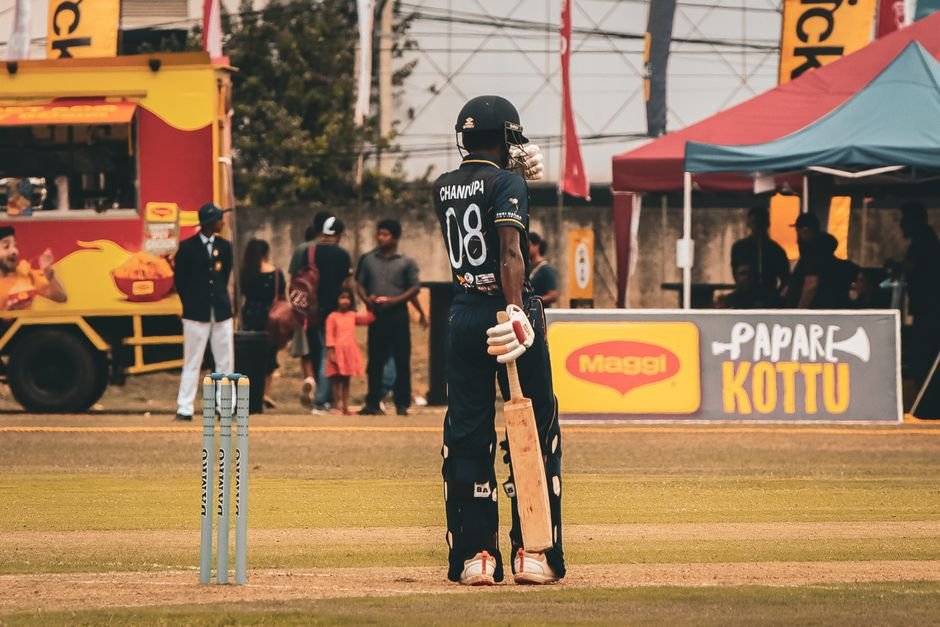
Concerns surrounding the long-term sustainability and structural integrity of Sri Lankan cricket have come to the fore, as experts and analysts examine the broader systemic issues impacting the sport across the island nation. Once celebrated for producing world-class talent and revolutionary tactical play, the national cricketing ecosystem is increasingly under scrutiny due to fundamental gaps in player development, domestic competition, and administrative continuity.

The challenges facing Sri Lankan cricket stem from a complex mix of structural vulnerabilities at the grassroots level and the friction between domestic tournament frameworks and international demands. Observers point out that the pipeline transitioning promising youth talent into high-performance international athletes has experienced significant friction. Without a robust, highly competitive domestic circuit, emerging players face steep learning curves upon stepping into the international arena, exacerbating performance inconsistencies on the world stage.
Beyond high-performance output, institutional and administrative stability remains a crucial piece of the puzzle. Effective resource allocation, modern training infrastructure, consistent talent scouting, and transparent governance are vital components needed to arrest the decline. When grassroots programs lack standardized pathways and modern facilities, the foundational base that historically supplied national squads begins to erode, placing an unsustainable burden on senior players.
Key Developments
- Systemic Domestic Strain: The gap between domestic competition standards and international performance requirements continues to broaden, impacting player readiness.
- Grassroots Pipeline Vulnerabilities: Development pathways require structural reform, modernized coaching protocols, and enhanced regional infrastructure to foster sustainable talent growth.
Navigating out of these foundational difficulties will require cohesive strategic planning, targeted investment in grassroots pathways, and comprehensive modernization of the domestic cricket framework. As discussions around reform gain momentum, restoring strength to these core foundations remains imperative for the long-term competitiveness and legacy of Sri Lankan cricket.