
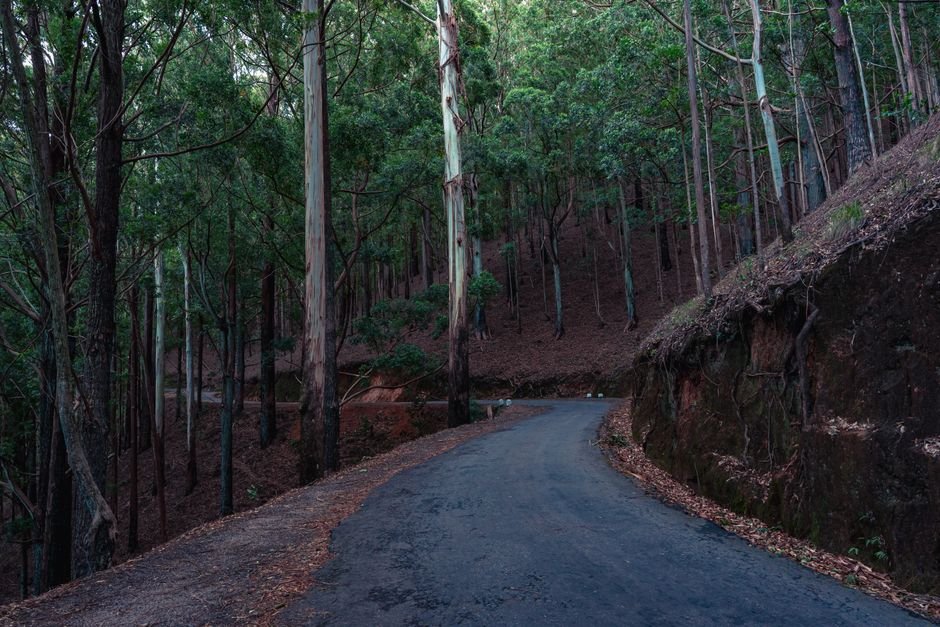
Scientific exploration into Sri Lanka’s native forests has brought wild cinnamon trees into the spotlight following the discovery of hidden chemical treasures within these wild plant populations. While Sri Lanka is globally renowned for its cultivated true cinnamon, the island’s naturally occurring wild cinnamon trees harbor distinct chemical signatures that possess vast potential across various scientific and industrial sectors. The identification of these unique chemical compounds marks a significant milestone in plant biochemistry and natural product research within the region.

Sri Lanka’s diverse forest ecosystems are home to wild cinnamon species that have evolved unique metabolic pathways, producing novel phytochemicals, essential oils, and secondary metabolites. Advanced screening of these trees has unveiled complex chemical profiles that offer promising applications in pharmaceutical development, natural food preservation, and botanical therapeutics. Unlike domesticated varieties harvested primarily for culinary spices, wild cinnamon variants carry distinct biochemical properties that remain essential for potential medical and technological breakthroughs.
Key Developments
- Phytochemical Profiling: Uncovered unique biochemical compounds and essential oil profiles exclusive to wild cinnamon populations in Sri Lanka.
- Industrial & Medical Applications: Identified promising bioactive properties for use in natural therapeutics, agricultural products, and sustainable chemical processing.
- Genetic and Biodiversity Preservation: Highlighted the critical importance of protecting wild cinnamon ecosystems to secure natural genetic reserves for future scientific study.
The discovery of these chemical treasures underscores the imperative to protect Sri Lanka’s natural habitats from deforestation and ecological degradation. As demand for plant-based biochemicals and green technologies continues to grow globally, preserving wild cinnamon habitats ensures that these invaluable natural resources remain protected for long-term research and sustainable development.