

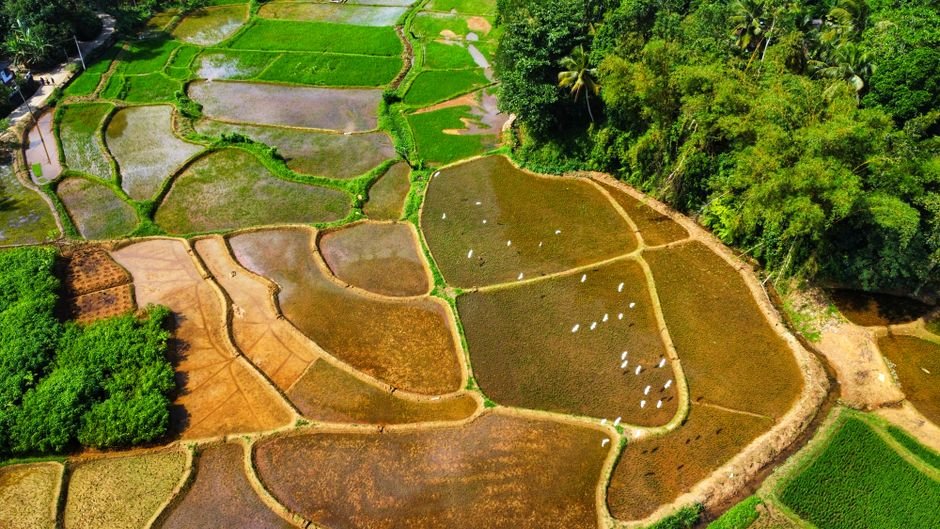
Tamil farmers across Sri Lanka are stepping up organized efforts to reclaim agricultural lands lost and restricted during the country’s decades-long civil war, pressing for the full restoration of property rights and access to fertile territories.

The push focuses on rural farming communities that were displaced during the conflict, which severed generations of agrarian families from their ancestral fields. Long after the cessation of active hostilities, many farming households remain unable to cultivate their traditional properties due to prolonged administrative delays, historical demarcations, and unresolved property disputes that have kept critical tracts of farmland out of reach.
For these communities, the campaign to recover land is central to rebuilding rural livelihoods. Agrarian families continue to appeal for clear demarcation and formal restitution, emphasizing that economic stability cannot be achieved while agricultural plots remain inaccessible or under protracted state and institutional control.
Securing transparent land restitution and enforceable property boundaries is critical for long-term reconciliation and economic revival in post-conflict environments. For agricultural populations, the return of arable territory directly governs food security, rural employment, and the ability of war-affected regions to restore sustainable local economies.
Key Developments
- Tamil farmers are actively advocating for the return and formal restitution of ancestral farmlands disrupted by the civil war.
- Inaccessible agricultural plots continue to present significant barriers to economic recovery and self-sufficiency for rural households.
- Resolving outstanding land tenure issues remains a primary condition for addressing lingering post-war socio-economic challenges.
As farming communities maintain their demands for territorial access, establishing lasting solutions to contested land rights remains a critical benchmark for post-war recovery and rural development.