
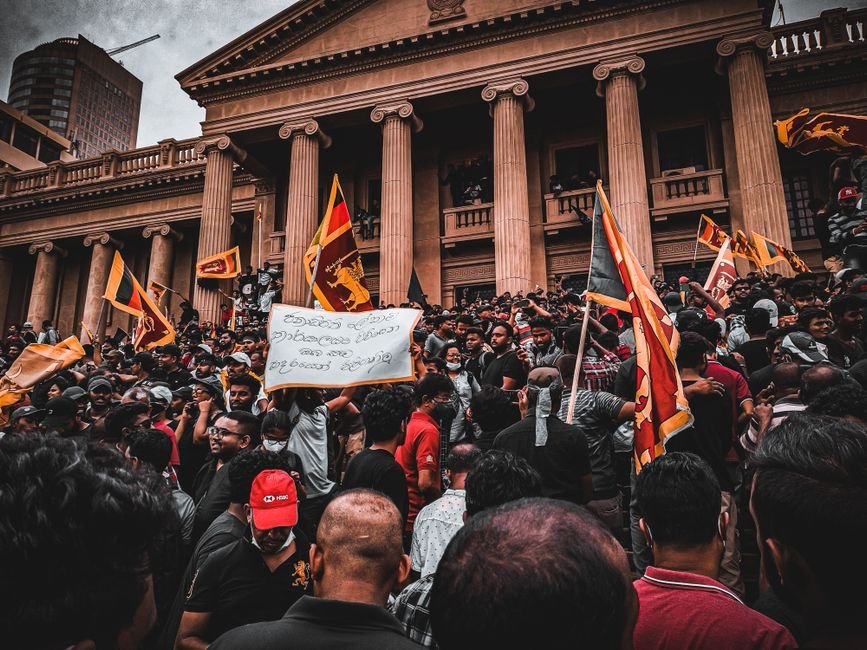
A growing debate has emerged in Sri Lanka over proposed legislative changes affecting non-governmental organizations, raising critical questions about whether the new NGO Bill serves as legitimate regulation or an instrument of state control. The draft legislation has placed the broader health of civic space under intense scrutiny, sparking warnings from political and civil society representatives about the potential chilling effect on democratic engagement and organizational independence.

Highlighting these concerns, Barath of the Tamil Progressive Alliance (TPA) has drawn attention to the delicate balance between state oversight and the protection of fundamental civic freedoms. The debate centers on how statutory frameworks govern non-governmental entities without impinging on their capacity to operate freely, advocate for local communities, and hold public institutions accountable.
Key Developments
- The proposed NGO Bill in Sri Lanka faces heightened scrutiny over whether its framework constitutes reasonable regulation or excessive state control.
- Tamil Progressive Alliance (TPA) representative Barath has publicly questioned the implications of the draft law for civic space and independent organizations.
- Civil society stakeholders emphasize the necessity of safeguarding democratic participation while maintaining transparent governance standards.
As discussions surrounding the legislation continue, observers stress the critical need to preserve an open and vibrant civic space within Sri Lanka. The resolution of this debate will serve as a key indicator of the country’s commitment to democratic norms, organizational autonomy, and the protection of fundamental freedoms for civil society actors across the nation.