
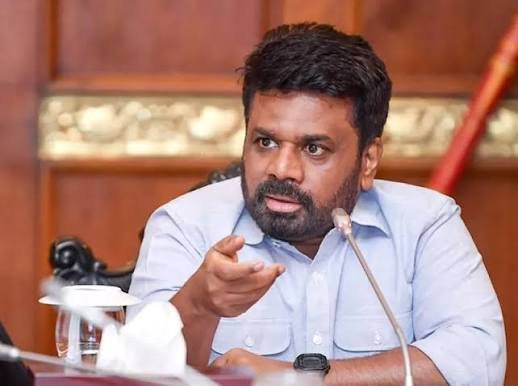
Sri Lankan President Advocates for Transformative Change
In a bold assertion of leadership, Sri Lankan President Anura Kumara Dissanayake addressed the Bar Association of Sri Lanka (BASL) on August 12, declaring his readiness to embrace the risks necessary for meaningful constitutional reform. He emphasized that the much-discussed 22nd Constitutional Amendment is designed not to benefit individuals but to foster systemic change within the country’s governance structures.

A Call for Open Dialogue
During the meeting, which aimed to facilitate discussions on the proposed constitutional reforms, President Dissanayake highlighted the importance of dialogue that prioritizes collective interests. He expressed his intention to engage in conversations without prejudice, clarifying that the perspectives heard should reflect the broader legal community rather than the views of individuals alone.
“When the BASL Chairman voiced his concerns, I didn’t hear just his opinion; I viewed it as representing the collective concerns of the entire legal community,” Dissanayake stated, encouraging a spirit of constructive engagement.
Governance Within Constitutional Limits
In outlining his approach to governance, Dissanayake reaffirmed his commitment to working within the constitutional framework, resisting the temptation to overreach his executive powers. “My administration’s actions will always remain within constitutional boundaries,” he assured attendees, aiming to build trust in the ongoing reforms.
Facing Risks for National Progress
Amidst concerns about the potential implications of the constitutional amendment—including the risk of future leaders, including himself, losing office—Dissanayake asserted his readiness to face the consequences of his decisions. He invoked the ongoing investigations into the 2019 Easter Sunday attacks as an example of taking necessary risks for the greater good, despite potential personal fallout.
“Change requires someone to take a risk. I’m prepared to do just that, even if it means stepping away from my position,” he stated, demonstrating a commitment to prioritizing national advancement over personal power.
Addressing Privilege and Judicial Reform
As the conversation shifted towards sectional privileges within the judiciary, Dissanayake addressed the nuanced perceptions surrounding proposed reforms. He highlighted how any reform could be construed as advantageous to select groups, challenging the notion of privilege while advocating for a robust and reformed judicial system.
“It’s a delicate balance; even adjustments in judicial salaries or roles can be seen as preferential. That’s why my focus remains on transforming the judiciary into a stronger, more effective institution,” he concluded, reinforcing his vision for a far-reaching change that transcends individual interests.
As Sri Lanka navigates this critical period of reform, President Dissanayake’s leadership philosophy marks a pivotal point in the quest for substantive change in governance. His willingness to confront risks head-on could pave the way for a more resilient democratic framework in the nation.