
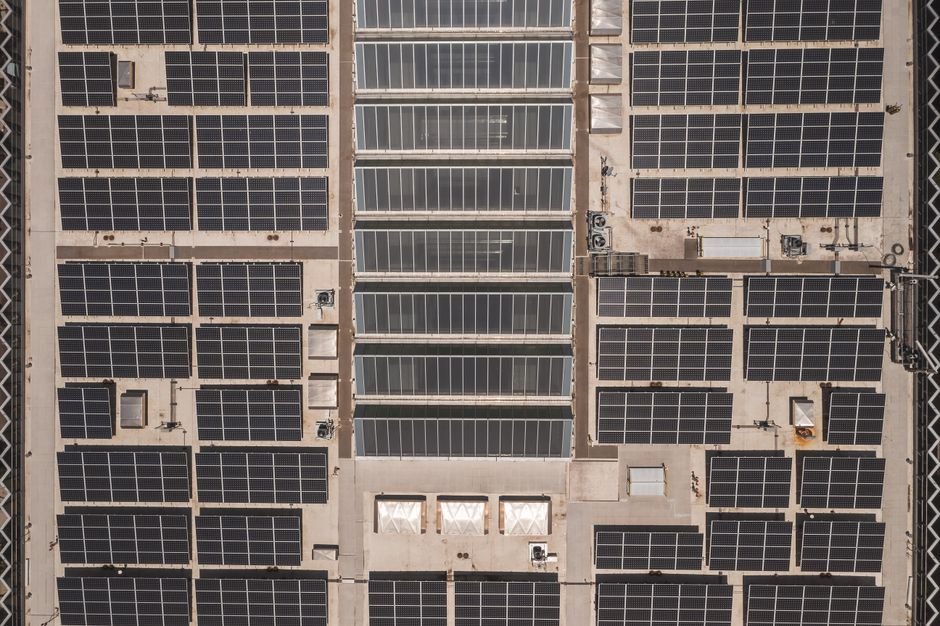
Sri Lanka’s rapid push toward clean energy is encountering technical hurdles as a dramatic surge in rooftop solar installations puts strain on the national power network, according to warnings from a former General Manager of the Ceylon Electricity Board (CEB).

Key Highlights
- Accelerated adoption of rooftop solar is introducing voltage fluctuations and stability risks across Sri Lanka’s power grid.
- Traditional distribution networks struggle to handle reverse power flows during peak solar generation hours.
- Energy leaders advocate for immediate investments in battery energy storage, modern grid management, and smart infrastructure.
While the rapid expansion of solar power has provided much-needed relief to consumers during recent energy crises and advanced the nation’s climate goals, the decentralized nature of solar energy presents complex operational demands. Peak generation occurs during midday when demand is relatively low, leading to sharp changes in electricity flow that traditional grid infrastructure was not originally designed to handle.
Former utility leaders warn that without critical updates—such as modern automated control systems and utility-scale Battery Energy Storage Systems (BESS)—regional grids face risks of localized over-voltage, frequency instability, and potential power disruptions. To maintain grid reliability while continuing to expand solar power, energy authorities are urged to modernise substations, upgrade distribution feeders, and implement smart-metering policies to support sustainable grid management.