
Sri Lanka’s political landscape is evolving in a way that demands scrutiny and analysis. The splintering of the opposition is not merely a consequence of leadership struggles or shifts in public sentiment; it is a critical indicator of a deeper malaise afflicting the entire political system.

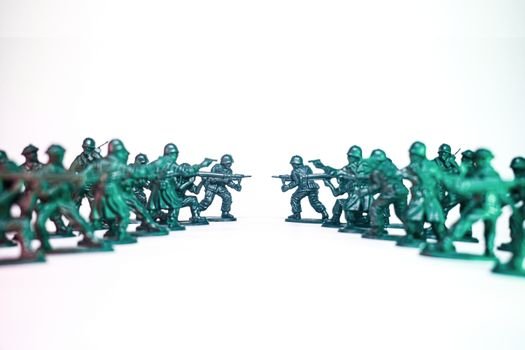
The fragmentation of alliances is alarming. Political alliances, historically formed to unite against a common adversary, are now at each other’s throats, jeopardizing their relevance. This disintegration represents a failure not only in strategic organization but also in the ability to resonate with citizens who are increasingly disillusioned by a shifting political tide. What does it say about the commitment of these parties to represent the populace when they are engaged in chronic infighting instead of focusing on pressing national issues?
The stakes are high. With increased polarization, these factions may inadvertently pave the way for the ruling establishment to consolidate power further, playing into the hands of those who thrive on division. The electorate, yearning for coherent alternatives, might grow frustrated with the ongoing chaos, leading to voter apathy or complete disengagement from democratic processes.
The socioeconomic landscape is also entwined with these political maneuvers. The need for unity among opposition parties becomes paramount in a context where economic recovery remains an urgent priority following periods of discontent and protest. The electorate’s needs can’t be sidelined by petty squabbles; they require a unified voice advocating for tangible solutions to crisis-driven challenges.
Moreover, the desperation for relevance among splintered opposition groups could lead to populist tactics that further regress political discourse. Beneath the surface, this competition to remain politically viable can compromise the integrity of policy proposals, prioritizing sensationalism over substance and crucial governance.
In this climate fraught with uncertainty, it seems evident that the opposition’s splintering could cast a long shadow over Sri Lanka’s future. Without a compelling alternative vision and a solid commitment to collaboration, the opposition stands to reap nothing but diminished influence while existing bureaucracies remain unchecked. The implications of this political fragmentation extend beyond immediate electoral prospects; they speak volumes about the health of democracy itself in Sri Lanka. The time has come for these factions to reconsider their strategies and re-engage with the citizenry in a meaningful way before the opportunity slips away entirely.