
Sri Lanka’s Office on Missing Persons: A Critical Review
The Office on Missing Persons (OMP) in Sri Lanka finds itself at a crucible. Having recently submitted its interim report—an essential document addressing the plight of those who disappeared amidst the 26-year internal conflict—the OMP stands at a pivotal moment where its effectiveness will be scrutinized against a backdrop of skepticism and historical betrayal. This body, established to address one of the country’s most urgent social issues, faces myriad challenges that could impede its ability to deliver justice.
Engagement and Outreach: A Double-Edged Sword
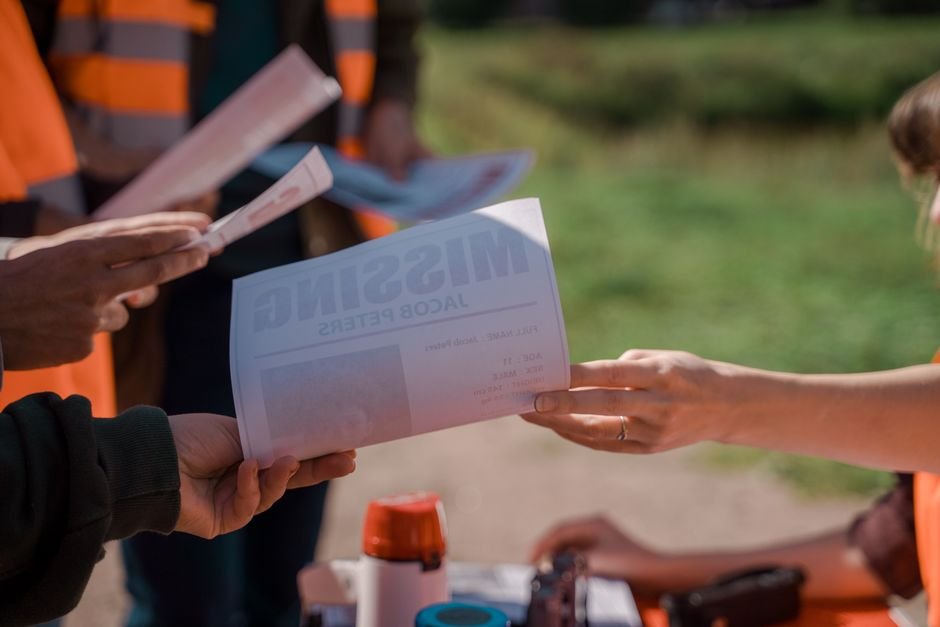
The OMP has initiated outreach efforts that have seen over 2,000 participants in events across Mannar, Mullaitivu, Matara, Trincomalee, Jaffna, and Kilinochchi. While these gatherings are a commendable step toward inclusivity, the skepticism with which the OMP is viewed cannot be ignored. Many victims express fears that the OMP may fall short of delivering genuine justice, a sentiment rooted in past governmental failures to uphold promises. The 2016 rush to pass the OMP Bill through Parliament without ample consultation has left lingering mistrust.
The Structural Challenges
At the core of the OMP’s upheaval is the Attorney General’s Department, which is seen as a significant obstacle to justice. Tasked with dual roles as prosecutor in enforced disappearance cases and defender in habeas corpus cases, the stark conflict of interest raises questions about the integrity of the judicial process. Furthermore, the interim report highlights that key individuals with suspected criminal ties in the military remain in their positions, underscoring a profound lack of political will to pursue accountability.
Recommendations Left Ignored
Among the report’s many recommendations is an urgent call to amend existing legislation, including the notorious Prevention of Terrorism Act and the Enforced Disappearances Act. Observations from the OMP’s first six months reveal a disheartening state of state obduracy, where certain ministries still appear unprepared to recognize the OMP as an independent entity. This bureaucratic resistance stifles any proactive engagement required to fulfill its mandate.
Voices of Victims: Listening or Tokenism?
The OMP has recognized the importance of victim voices within its operations, promising to heed suggestions for improvements such as mobile offices in remote areas. Despite this commitment, criticisms regarding the diversity within the OMP’s membership remain significant. The overwhelming absence of victims’ representatives and the presence of individuals linked to military structures call into question the authenticity of its initiatives. Victims, Disillusioned by broken promises, may feel compelled to seek international arbitration rather than engage with a body that they perceive as lacking accountability.
Financial Aid vs. Reparations: A Confounding Distinction
The OMP has introduced an interim financial aid program, offering families without reliable income a monthly living allowance of LKR 6,000. Yet, the absence of clarity on how this figure was determined raises concerns about whether this provision meets the actual needs of families impacted by disappearances. Without inflation indexing or alignment with minimum wage standards, the initiative appears more like a stopgap than a genuine pathway toward reparations.
Mass Graves and Investigatory Ambiguity
The report’s mention of the OMP’s role in supervising excavation at one mass grave site, while remaining silent about many others, presents a serious gap in its investigative duties. Since the 1990s, multiple mass graves have been identified across various provinces, with significant exhumations already conducted in Matale and Mannar. However, the lack of follow-through on these crucial sites by the OMP may undermine comprehensive truth-seeking efforts.
A Closing Window for Accountability
As Sri Lanka approaches the ten-year anniversary of the conflict’s end in May 2019, the urgency for the OMP to fulfill its responsibilities grows. President Sirisena’s proposal to appoint a Cabinet subcommittee dedicated to implementing the OMP’s recommendations, while seemingly supportive, perplexingly involves members who lack vital connection to the OMP mandate. This undermines the legitimacy of the initiative and leads to the interpretation of political maneuvering rather than a genuine commitment to justice.
Conclusion: The Imperative for Action
With the government’s commitment to truth, justice, reparation, and the prevention of recurrence hanging in the balance, the OMP operates under the looming specter of failure. If the government does not engage with victim groups and prioritize the implementation of the interim report’s recommendations, it risks repeating the mistakes of the past. The OMP must act decisively and transparently to avoid further disillusionment among victims and families searching for closure. The stakes could not be higher; the families of the disappeared deserve no less than a robust attempt to finally address their tragedy.