
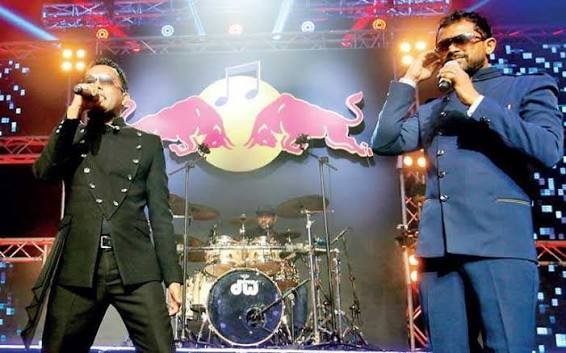
Newly introduced music licensing regulations in Sri Lanka have ignited widespread concern among local communities, venue operators, and cultural organizations. The updated framework governing public music broadcasting and live performance rights has raised critical questions regarding operational sustainability, compliance costs, and overall accessibility for public and private establishments across the country.

The policy measures were introduced with the intended goal of streamlining intellectual property protections and ensuring fair remuneration for copyright holders and creators. However, community members, local business owners, and event organizers warn that the expanded licensing mandates could place heavy financial burdens on smaller operations. Entities that rely on public audio playing, ranging from small hospitality venues to community centers and cultural events, face growing uncertainty over how the new fee structures and compliance protocols will be enforced.
Key Developments
- Implementation of updated music licensing requirements governing public performance and audio broadcast rights across Sri Lanka.
- Rising apprehension among local venue operators, small businesses, and cultural organizers over increased financial and administrative burdens.
- Urgent calls from stakeholders for public dialogue, clearer regulatory guidelines, and potential exemptions or adjustments for non-profit and community-focused events.
As discussions surrounding the practical enforcement of these new music licensing rules continue, public attention remains focused on reaching a balanced solution. Stakeholders emphasize the need for transparent communication and equitable policy adjustments that protect creative copyrights while safeguarding Sri Lanka’s vibrant public arts and cultural traditions.