
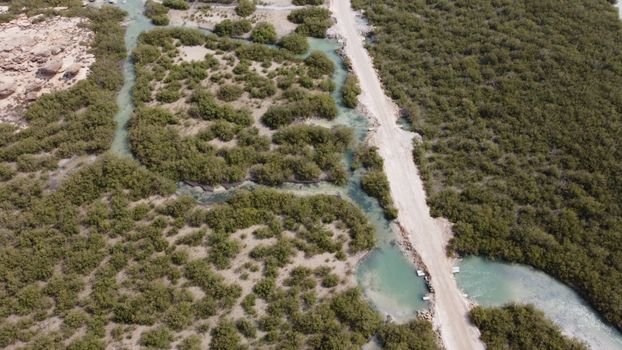
The narrative of mangrove restoration in Sri Lanka offers more than a glimpse at environmental rehabilitation; it unearths lessons that transcend geographical boundaries and resonate on a global scale. The urgency of restoring degraded ecosystems cannot be understated, especially when one considers that mangroves are vital carbon sinks and protect coastal regions from erosion and flooding.

Sri Lanka stands at a crossroads where the rhetoric of eco-restoration must become action. The country exhibits a staggering degree of mangrove loss, with an estimated 60% decline in mangrove cover over the past 40 years. This figure starkly illustrates the ecological crisis facing coastal communities that rely on these vital ecosystems for both their livelihoods and protection.
The challenge ahead is not merely about planting more trees. Instead, a more nuanced understanding of mangrove ecology must guide these efforts. Restoration must address the reasons for mangrove degradation, which often include overdevelopment, pollution, and climate change. Ignoring these underlying issues in favor of tree-planting initiatives trivializes a complex ecosystem set against the backdrop of human activity and climate pressures.
Sri Lanka’s mangrove restoration projects have produced three lessons that are critical for the global conversation around ecosystem restoration. First is the necessity of community involvement. Local stakeholders must play an integral role in restoration efforts. Projects lacking local engagement have, historically, failed to achieve lasting impacts. The strength of community-based activities lies in the ownership and stewardship the community develops over their local environment, fostering sustainability.
Second, monitoring and adaptive management are vital. Evidence-based adjustments to restoration practices keep these initiatives responsive to changing environmental conditions and help avoid wasted resources on ineffective strategies. Capturing data on growth patterns and ecosystem responses is essential.
Lastly, there’s an emerging realization that successful restoration transcends mere ecological metrics. Economic benefits derived from restored mangroves—such as improved fish populations and enhanced tourism—must be highlighted and made accessible to communities. This approach not only aids in securing financial backing for restoration efforts but also reinforces the ecosystems’ intrinsic value to local economies.
As Sri Lanka grapples with the challenges of climate adaptation, these lessons provide a critical framework not just for mangrove restoration but for all forms of environmental renewal. The move from mere planting to a holistic view of restoration calls for coordinated action and investment. It is an approach that acknowledges the intertwined fates of ecosystems and communities, ultimately forging a path toward sustainability that holds relevance far beyond the shores of Sri Lanka.