
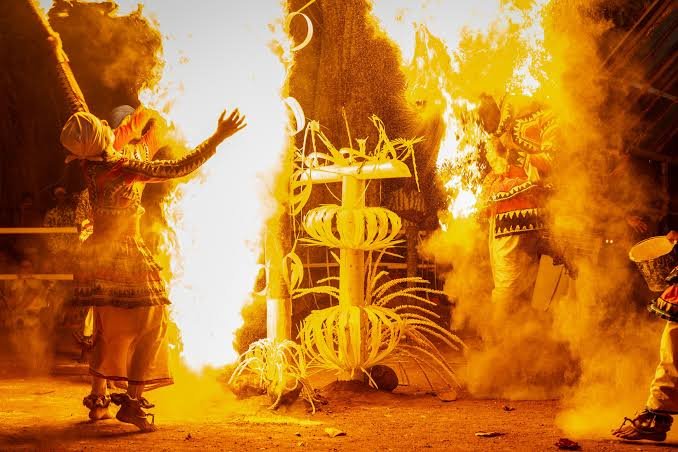
Sri Lanka’s traditional fire dancing remains one of the island nation’s most captivating cultural art forms, combining intricate choreography, rhythm, and daring physical skill. Steeped in centuries-old heritage and performance art traditions, fire dancing continues to hold a prominent place in cultural showcases, traditional ceremonies, and artistic displays across Sri Lanka, mesmerizing audiences with its powerful visual imagery.

Rooted in ancient ritual practices historically performed to invoke blessings and ward off adversity, fire dancing has evolved into a highly refined discipline. Performers handle flaming torches, spinning fire staffs, and glowing embers with remarkable dexterity, executing complex movements tightly synchronized with traditional Sri Lankan drum rhythms. The art form demands years of dedicated training, intense concentration, and precise technical mastery to maintain control over the flames while delivering a seamless artistic performance.
Key Developments
- Traditional fire dancing stands as an iconic Sri Lankan performance art that merges physical skill, rhythm, and elemental visual storytelling.
- Deeply rooted in ritual heritage, the discipline requires specialized training to master technical safety and intricate movement patterns.
- Cultural practitioners continue efforts to safeguard the practice, ensuring authentic techniques and historical significance are passed down to future generations.
Beyond its striking visual impact, fire dancing serves as a vital link between Sri Lanka’s rich historical heritage and its contemporary cultural landscape. As local performers continue to showcase this ancient craft, the mesmerizing art form remains an enduring symbol of the country’s vibrant artistic identity and cultural legacy.