
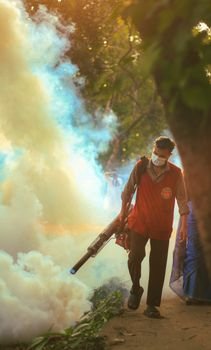
Sri Lanka is grappling with a severe public health crisis as dengue fever cases have surged past 72,000, marking an alarming increase in an already precarious situation. This statistic is not just a number; it reflects a breeding ground of systemic public health failures, lapses in preventive measures, and a population exposed to the dire consequences of a preventable disease.

The sharp rise in dengue cases raises immediate questions about the effectiveness of local and national health initiatives. With such a significant number of infections, it is apparent that efforts to control mosquito populations and educate the public about preventive practices have not been adequately implemented. Sri Lanka is no stranger to dengue outbreaks, yet the recurring nature of these epidemics suggests that lessons from past experiences have not been fully absorbed or applied.
This crisis underscores the vulnerabilities within Sri Lankan healthcare infrastructure. The health ministry must be scrutinized for their preparedness and responsiveness. With over 72,000 cases, there is immense pressure on healthcare facilities, potentially leading to compromised patient care and increased mortality rates if the trend continues. Health authorities must ensure that hospitals are equipped and that frontline health workers are not overwhelmed.
Public awareness and community engagement are critical in tackling vector-borne diseases like dengue. It is concerning to assess the level of public education initiatives that have been rolled out. Are communities being adequately informed about the risks, symptoms, and preventive measures? If the answer is no, then the repercussions of this lapse are starkly visible in the rising case numbers.
The economic ramifications must not be overlooked either. Higher healthcare costs, decreased productivity due to illness, and the potential for a substantial burden on the national health system are all possible consequences of the current epidemic situation. This rising tide of dengue could strain not only the health system but also the economy, making it even more critical for the government to take concerted action now.
Additionally, with so many cases reported, the discourse must expand to include long-term solutions rather than quick fixes. This includes investments in sustainable mosquito control methods, health education programs that empower communities, and better data management systems to track and predict outbreaks. The importance of collaboration between governmental bodies, non-governmental organizations, and local communities cannot be overstated in this multifaceted fight.
As dengue cases soar above 72,000, the time for urgent action is now. It is not merely about addressing an outbreak; it is about recalibrating health strategies, fostering community responsibility, and fortifying the overall health landscape of Sri Lanka. The public health response must evolve to confront this pressing crisis head-on, ensuring that resources and strategies are not just reactive but transformative in safeguarding the nation’s health.