
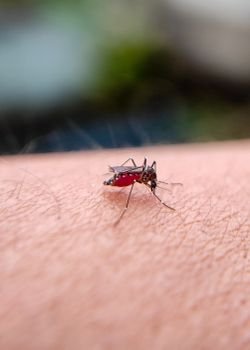
Sri Lanka’s ongoing battle with a major dengue outbreak underscores a public health crisis that demands immediate attention. With the disease’s resurgence, the necessity for a comprehensive understanding of its transmission and prevention is critical. The public is urged to reflect on the daily habits that inadvertently attract dengue-carrying mosquitoes into their homes.

The data reveals not just the urgency of the situation but the responsibility of the citizens in mitigating the risk of dengue proliferation. While authorities work tirelessly to combat the outbreak, the onus also lies on individuals to rectify ten specific daily mistakes that could potentially allow these pests to flourish in their living spaces.
For instance, practices that lead to standing water accumulation, such as neglecting to properly maintain flower pots, old tires, or clogged drains, provide mosquito breeding grounds. It’s the simple yet often overlooked actions, like double-checking water receptacles and ensuring that household waste is adequately disposed of, that can significantly curtail the mosquito population.
The link between dengue outbreaks and public compliance with preventive measures cannot be overstated. Even minor lapses in maintaining household cleanliness and failing to take proactive steps can exacerbate the situation. Public health messages calling for vigilance and proper sanitation must resonate loud and clear, yet there often seems to be a disconnect between the information provided and the actions taken by the public.
Moreover, the dengue outbreak raises questions about systemic inadequacies in environmental management and public health education. Should residents be solely blamed for their “everyday mistakes,” or does this reflect a larger failure in community awareness and infrastructure? The responsibility cannot rest solely on the shoulders of citizens when long-term solutions are necessary for effective mosquito control.
As Sri Lanka grapples with this outbreak, the conversation must shift towards fostering a culture of vigilance and education about dengue prevention. Communities must be engaged in dialogue not just about the symptoms and treatments of dengue, but also about the crucial behaviors that can significantly inhibit the onset of such outbreaks in the first place.
In summary, as the battle against dengue rages on, a multifaceted approach must be adopted that combines individual responsibility with systemic public health initiatives. Only by addressing both personal habits and community infrastructure can Sri Lanka hope to overcome the challenges posed by dengue and protect public health effectively.