
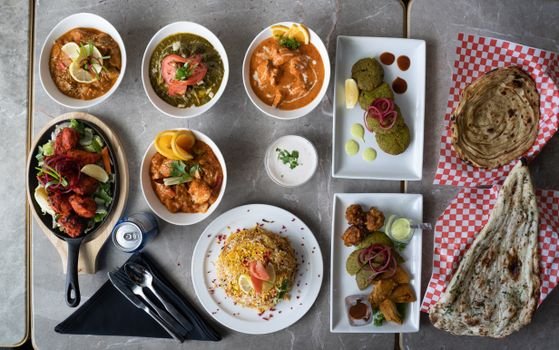
The recent culinary event showcasing Sri Lanka’s signature cuisine at the Shangri-La Hotel in New Delhi presents an opportunity to examine both the gastronomic and geopolitical implications of such international engagements. The event not only highlights the richness of Sri Lankan flavors but also reflects the country’s broader efforts to enhance its cultural presence on the global stage.

The initiative is significant for a nation like Sri Lanka, which has long sought to redefine its image after years of civil unrest and economic challenges. The promotion of its culinary traditions can be interpreted as a strategic move to attract tourists and investors, essential for bolstering its economy. Culinary tourism has emerged as a lucrative sector globally, and by leveraging its unique flavors—such as spicy curries and fragrant rice dishes—Sri Lanka aims to carve out its niche in a crowded market.
The setting of Shangri-La New Delhi is also noteworthy. As a luxury hotel, it serves as a platform not only for cuisine but also for cultural diplomacy. Engaging high-profile venues like this is a tactic to reach an elite audience, thereby elevating Sri Lanka’s culinary narrative within the context of fine dining. However, one must question if this approach will resonate with wider audiences, beyond affluent diners, in a country where diverse gastronomic practices exist alongside socio-economic disparities.
Additionally, the timing of this showcase raises questions about its role in Sri Lanka’s broader foreign relations strategy, especially with neighboring India. Culinary representation can serve as a bridge, fostering goodwill and encouraging bilateral trade. Yet, genuine interest in the cuisine must also translate into substantial engagement, such as greater investment in Sri Lankan agricultural products, which face challenges in accessing new markets.
While the event may garner attention and accolades for its culinary offerings, it is crucial for Sri Lanka to ensure that these displays are not merely seasonal attractions. Sustained promotion and investment in its food culture must accompany such one-time showcases to truly impact the economy. This means investing in the training of local chefs, the promotion of authentic food experiences beyond luxury hotels, and supporting local farmers to supply fresh ingredients.
As Sri Lanka continues to plan its culinary and cultural strategies, this event at Shangri-La New Delhi could serve as a rallying point for a nation eager to showcase its heritage and build international ties. Successful implementation and follow-through will ultimately determine whether Sri Lanka’s culinary showcase becomes a fleeting moment or a lasting chapter in its journey toward revitalization and recognition on the global dining map.