
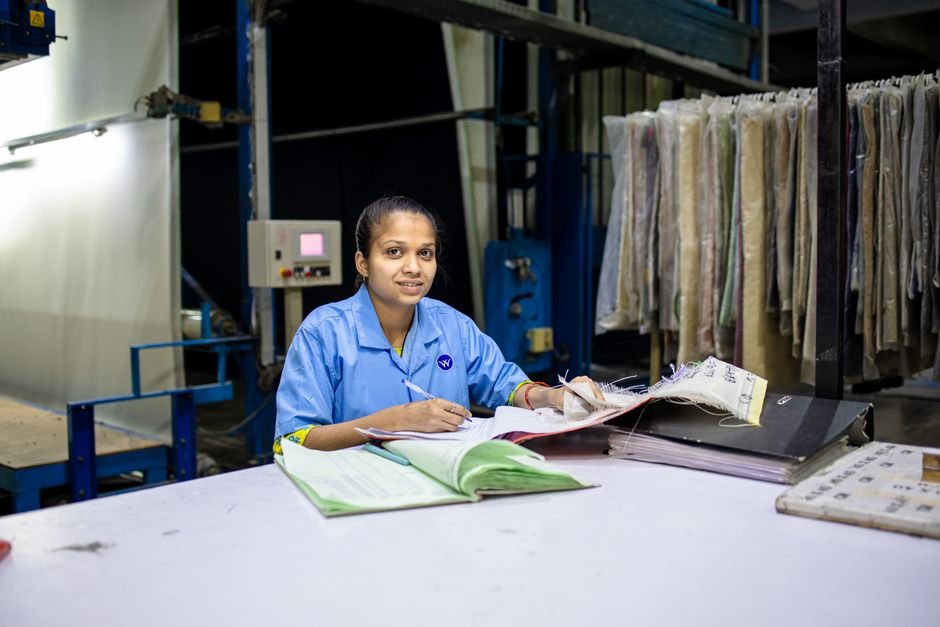
Sri Lanka’s apparel and textile industry is shifting its strategic focus toward upstream investments in a bid to strengthen local supply chain integration and mitigate economic risks stemming from heightened US trade pressures. By boosting domestic capabilities in fabric manufacturing, raw material processing, and yarn production, local exporters aim to lessen their dependency on imported inputs and secure competitive trade advantages.

Key Highlights
- Strategic Shift: Sri Lankan garment manufacturers are actively investing in upstream operations, including fabric mills and dyeing facilities.
- Trade Dynamics: Growing trade scrutiny and potential tariff policy shifts in the United States are accelerating the need for localized supply chains.
- Rule of Origin Compliance: Domestic fabric sourcing helps Sri Lankan exporters meet strict international trade compliance rules and speed up time-to-market.
- Long-Term Resilience: Industry leaders view vertical integration as essential for preserving high value-addition and market competitiveness globally.
The United States remains one of the primary export destinations for Sri Lankan apparel. However, evolving global trade policies and tightening import regulations have underscored vulnerabilities in relying heavily on foreign raw materials. By developing a robust domestic supply base, Sri Lanka aims to enhance lead times, reduce freight costs, and offer fully integrated solutions to major international brands.
Industry experts emphasize that expanding upstream capabilities requires substantial capital investment and infrastructure support, particularly in sustainable energy and water management. Despite these operational challenges, the sector’s proactive pivot is expected to fortify Sri Lanka’s position as a premium, sustainable hub for global garment manufacturing.