
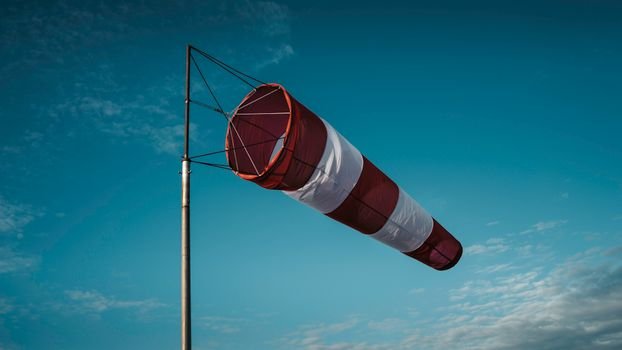
Sri Lanka is bracing for adverse monsoon conditions, with powerful wind alerts issued across 23 districts. The impending weather could significantly disrupt road trips, beach holidays, aviation operations, and coastal tourism, all of which play vital roles in the nation’s economy and social fabric. This foreboding announcement underscores the challenges faced by a country that has tried to rebound from a series of economic and social crises, further complicating the travel plans for both locals and tourists alike.

The government’s decision to issue wind alerts highlights a systemic vulnerability in Sri Lanka’s preparedness for climate-related calamities, a concern amplified by the increasing frequency and intensity of extreme weather globally. With the combination of steep economic recovery obstacles and natural phenomena, the dual burden becomes evident. Coastal tourism, a critical sector that garners substantial revenue, now faces an unpredictable future. Tourism must not only contend with fluctuating global travel patterns post-pandemic, but also with the volatility brought by changing weather patterns.
As authorities sound the alarm for residents and travelers, the broader implications become clear. For the building of resilience against such disruptions, infrastructural investments are imperative. The impacts of disrupted aviation operations can resonate far beyond immediate inconveniences; delays or cancellations can deter tourists and damage Sri Lanka’s reputation as a desirable travel destination. Economic ramifications could follow suit, potentially leading to financial losses that many operators, already on shaky ground, simply cannot afford.
Moreover, the implications stretch beyond the financial. The disruption of recreational activities, such as beach holidays, reflects a deeper societal strain. For many families, these trips represent not just leisure, but opportunities for bonding, relaxation, and recovery from the rigors of daily life. The potential for widespread disruption along these lines begs the question of whether the government has done enough to educate and prepare its citizens for these increasingly common weather events.
The issuance of alerts in advance suggests some level of preparedness, yet it raises questions about the robustness of contingency plans. The tourism industry thrives on predictability; in its absence, an environment of fear and uncertainty risks driving tourists away. Authorities must also consider the long-term impact of such alerts on public sentiment. A culture of caution might develop, leading to generalized reluctance in travel even when conditions are favorable.
Thus, while the immediate focus rightly remains on safety during this impending weather event, a larger dialogue around infrastructural resilience and adaptive strategies for tourism and transportation sectors should not be neglected. In a nation still reeling from previous economic shocks, the capacity to respond effectively to both weather and economic challenges will determine Sri Lanka’s trajectory in the months and years ahead.