
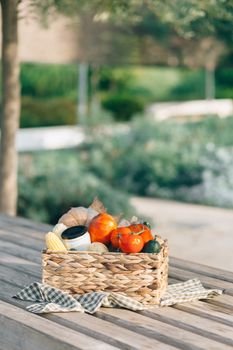
Sri Lanka’s culinary heritage has found a spotlight at the Farmers’ Basket event held at Pluck, marking a significant moment of cultural exchange. This initiative draws attention not only to the rich flavors indigenous to the island nation but also spotlights the importance of supporting local farmers and artisans.
The event serves as a platform for showcasing traditional Sri Lankan dishes, potentially reaching an audience that may have previously had only a cursory understanding of this vibrant cuisine. It is an opportunity to elevate agricultural products while embedding a narrative of sustainability and authenticity within dining experiences. However, one must question whether such endeavors are merely a fleeting trend or if they signify a deeper commitment to understanding and integrating diverse food cultures into mainstream gastronomy.
By placing Sri Lankan flavors “centre stage,” the Farmers’ Basket hopes to achieve more than just aesthetic appeal; it fosters a dialogue about the socio-economic contexts from which these flavors emerge. Culinary events like this could encourage the support of local farmers, allowing them to gain visibility and, ideally, fair compensation. The direct correlation between culinary appreciation and agricultural sustainability cannot be overstated. If attendees emerge not just with satisfying taste buds but also with a sense of the environmental and economic implications of their food choices, the event would surpass culinary delight and enter the realm of conscious consumerism.
Yet, as attention circulates around exotic flavors and the allure of cultural experiences, there is the risk of romanticizing the very systems that underpin them. Consumers must navigate the fine line between genuine appreciation of other cultures and the potential for cultural appropriation. Raising awareness about the origins of these flavors does not only benefit the event’s narrative but is vital for crafting a responsible culinary identity that acknowledges and respects its roots.
The success of the Farmers’ Basket depends on its ability to engage participants on multiple levels. From mere palate pleasure to deep cultural connections, it challenges diners to consider how they can contribute to the livelihoods of farmers who produce these foods. Thus, issues of equity and representation in food culture must remain part of the conversation, urging all stakeholders to participate in a fairer food system.
In ratifying Sri Lankan cuisine within the culinary landscape, it becomes necessary to ask: will this recognition endure beyond the event or fade into the background as the next gastronomic trend emerges? Only time will tell if this initiative marks the beginning of a sustained engagement with global culinary narratives or if it remains a celebratory blip in the ongoing story of gastronomy. The stakes are high, not just for Sri Lankan flavors, but for the broader dialogue about cultural appreciation and food sustainability in our increasingly globalized world.