
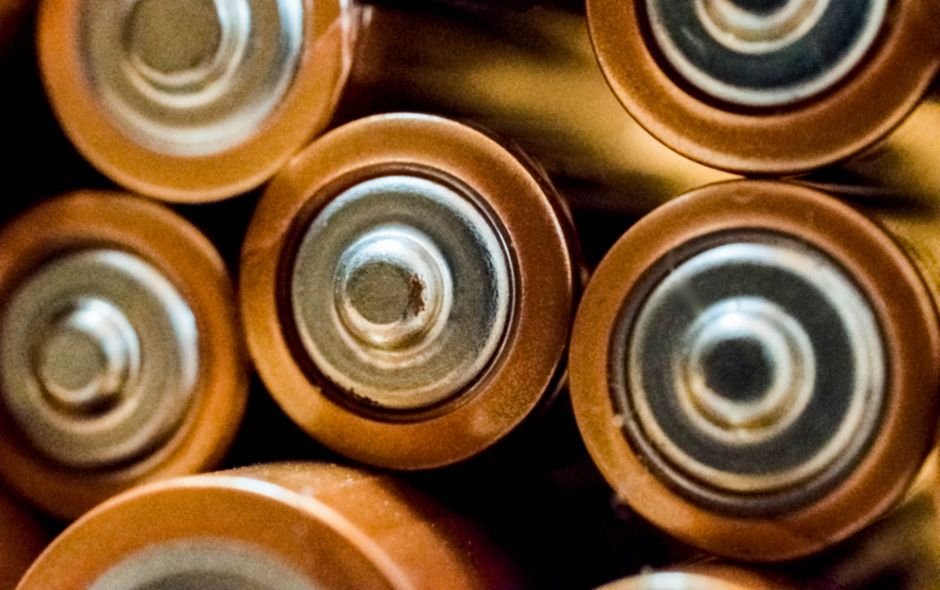
Sri Lanka has officially entered a new phase of grid modernization and renewable energy integration with the launch of its first 10-megawatt (MW) Battery Energy Storage System (BESS). The landmark milestone, highlighted by a National People’s Power (NPP) Member of Parliament, marks a critical leap forward in improving grid stability across the island nation.

Key Highlights
- Launch of Sri Lanka’s inaugural 10 MW Battery Energy Storage System (BESS).
- Designed to enhance national power grid stability and manage peak demand.
- Supports the integration of intermittent renewable sources like solar and wind power.
- Paves the way for reduced reliance on expensive, imported thermal fuel generation.
The introduction of utility-scale battery storage is expected to address long-standing operational challenges associated with integrating variable renewable energy into the national grid. By storing excess power generated during peak production hours and dispatching it during periods of high demand, the facility will help maintain frequency control and mitigate local power disruptions.
Energy sector officials and lawmakers emphasized that modernizing grid infrastructure with storage technologies is vital to achieving Sri Lanka’s long-term clean energy targets. As the country seeks to build economic resilience, expanding projects like BESS is viewed as an essential strategy for delivering reliable and cost-effective electricity to consumers and businesses nationwide.