
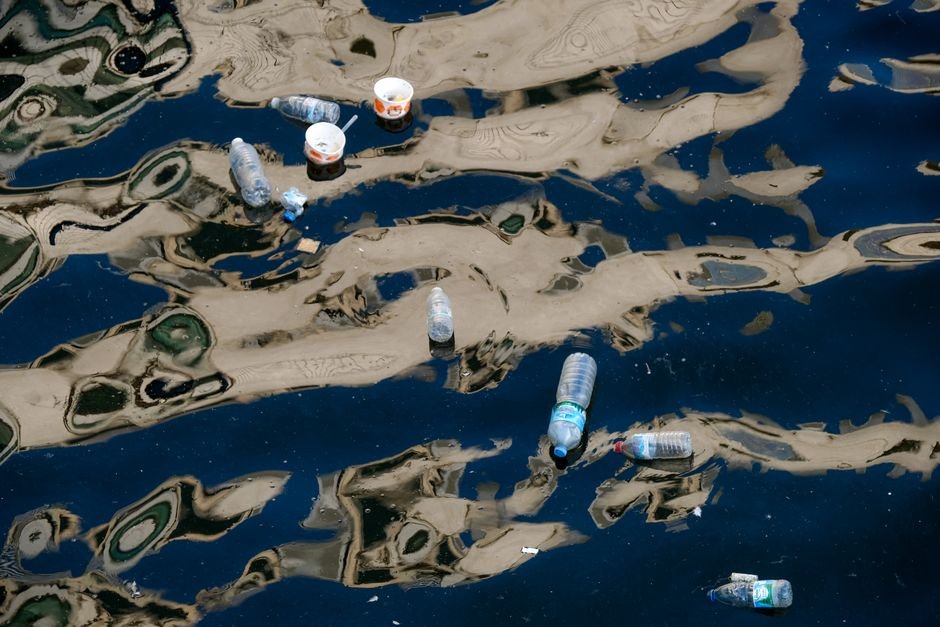
The Vice Chancellor of the Open University of Sri Lanka (OUSL) has issued a vital call to action, warning that the country must fundamentally rethink its approach to plastic consumption and waste management before environmental pressures deteriorate into an unmanageable national crisis. Highlighting the expanding footprint of non-biodegradable waste across the island nation, the OUSL leadership underscored the urgent necessity for comprehensive policy interventions, circular economy strategies, and heightened public responsibility to safeguard public health and natural ecosystems.

The warning comes amidst persistent challenges surrounding municipal solid waste management, where plastic pollution poses severe threats to terrestrial ecosystems, inland waterways, and Sri Lanka’s vulnerable coastal environments. Inadequate disposal mechanisms and high reliance on single-use items continue to clog urban drainage networks, aggravate seasonal flooding risks, and contaminate natural habitats. Institutional leaders stress that relying solely on traditional waste removal is insufficient, calling instead for a fundamental shift toward waste reduction at the source and robust recycling infrastructure.
Key Developments
- Academic Leadership Call: The OUSL Vice Chancellor urges immediate nation-wide reforms to address plastic consumption and pollution across Sri Lanka.
- Infrastructure & Ecological Risks: Unchecked plastic accumulation continues to strain municipal management systems, exacerbate urban flood vulnerabilities, and pollute waterways.
- Strategic Imperative: Sustainable long-term solutions require multi-sectoral collaboration, stricter waste disposal standards, and investment in eco-friendly alternatives.
Addressing Sri Lanka’s plastic crisis will require synchronized efforts between state authorities, academic institutions, local communities, and industry stakeholders. By prioritizing research, policy enforcement, and sustainable practices, the country can mitigate long-term ecological degradation and build a resilient framework for environmental governance. The OUSL Vice Chancellor’s stance reinforces the critical role that higher education and informed policy must play in steering the nation away from an impending ecological breakdown.