
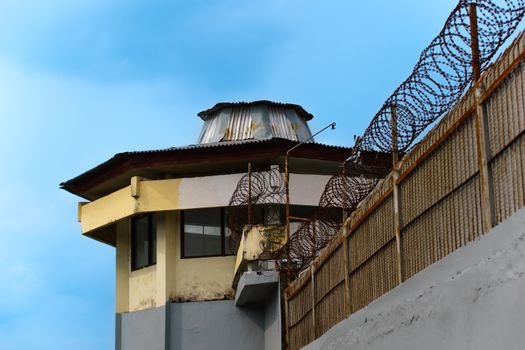
Sri Lanka has recently announced the establishment of a new facility—the Mahamodara Prison—marking a significant development in its correctional system. The announcement comes at a time when the country grapples with longstanding issues surrounding overcrowding, human rights, and the effectiveness of its penal institutions. The introduction of this prison could be seen as a step towards addressing these systemic problems or as an indication of a deeper malaise at play within the country’s approach to criminal justice.

A critical examination of this development reveals several angles worthy of analysis. One of the primary concerns is the adequacy of the Mahamodara Prison in actually alleviating the chronic overcrowding that has plagued existing correctional facilities. Overcrowding in Sri Lanka’s prisons has reached a staggering issue, with facilities operating at over double their intended capacity. Simply building a new prison facility does not resolve the underlying systemic failings; it risks merely shifting inmates around rather than addressing the root causes of crime and rehabilitation.
Additionally, there are questions about what criteria will be used to populate this new institution. The construction of a new prison could lead to increased incarceration rates rather than a focus on reformative practices. This point raises ethical concerns regarding justice and the treatment of individuals within the penal system. Will the Mahamodara Prison aim to rehabilitate, or will it function merely as an extension of punitive measures that have historically drawn criticism for maintaining harsh conditions?
Furthermore, the socioeconomic implications of expanding the prison system should not be overlooked. As the government invests resources into building new facilities, one must ask whether these funds could have been allocated towards preventive measures such as education, mental health services, and community support initiatives that tackle the root causes of crime. The marginalization of vulnerable communities often leads to increased criminal activity, and a more holistic approach could yield more fruitful outcomes.
As Sri Lanka embarks on the opening of the Mahamodara Prison, it must be vigilant against the temptation to see this as a singular solution to complex problems. The establishment of the prison should not be viewed in isolation. It must be part of a broader dialogue about justice, rehabilitation, and the ethical treatment of individuals who find themselves within the penal system. Stakeholders at all levels need to ensure that this facility becomes a means for real and positive change rather than merely a new place to house an already burdened population of offenders. The success of this initiative will hinge on how it is implemented and the policies that govern it moving forward. A commitment to reform will be essential, as the stakes are high—not only for those incarcerated but for society at large.