
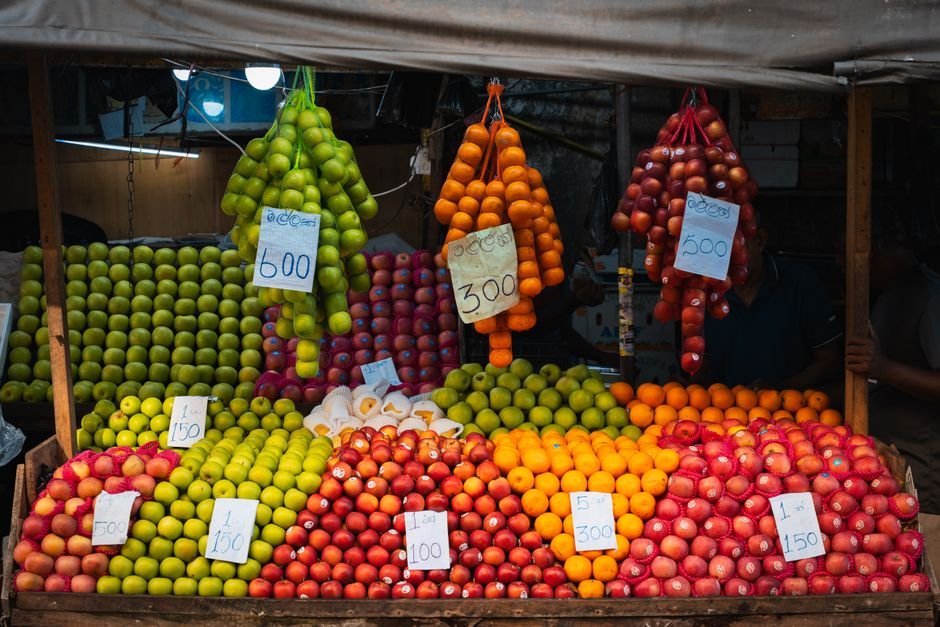
Sri Lanka is preparing to introduce a comprehensive national certification program targeting fruit vendors and farmers across the island. The initiative is designed to establish standardized quality guidelines, enhance food safety protocols, and build greater transparency within the country’s agricultural supply chain. By formalizing certification standards for both agricultural producers and market retailers, national authorities aim to modernize the fruit sector and safeguard consumer health.

The dual-level certification framework addresses key stages of the agricultural pipeline, extending from cultivation at the farm level to final sale at retail outlets. For fruit growers, the program sets benchmarks for sustainable farming methods, proper chemical usage, and post-harvest handling. For vendors and market sellers, the standards focus on hygienic storage, handling cleanliness, and clear labeling, ensuring produce meets established safety criteria before reaching consumers.
Key Developments
- Agricultural Standard Setting: Implementation of formal certification protocols for fruit farmers to improve crop quality, handling, and safety.
- Vendor Regulation: Introduction of compliance criteria for fruit vendors to enforce hygiene standards and enhance consumer confidence at retail points.
The rollout of this certification system represents a significant step forward in strengthening Sri Lanka’s domestic food ecosystem. Beyond improving health and safety standards, the initiative is expected to provide verified farmers and vendors with better market opportunities, boosting the economic resilience of smallholders and local traders nationwide.