
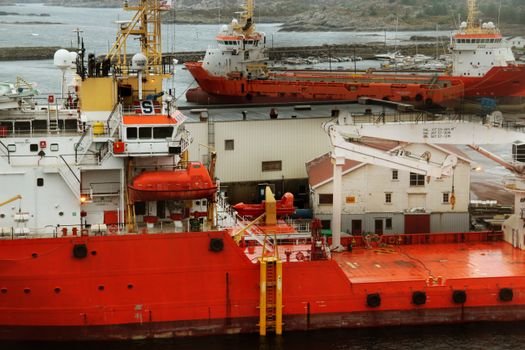
Sri Lanka’s announcement to expand vessel tracking to 1,500 fishing boats is a critical step in addressing rampant mid-sea smuggling. The move underscores a significant recognition of the challenges faced by the nation in regulating its marine activities, particularly in a region where illegal fishing and smuggling are not just economic threats but also environmental concerns.

The decision to implement tracking on such a scale raises questions about the previous regulatory measures in place. What gaps existed that led to the need for this expansion? It also invites scrutiny into the effectiveness of the current tracking technologies. Ensuring that these 1,500 vessels are accurately monitored requires not only robust technological infrastructure but also the capability for real-time enforcement by maritime authorities.
This initiative isn’t merely about keeping an eye on fishing boats; it is intertwined with the larger narrative of economic stability and sustainability in Sri Lanka’s fishing industry. With the country still recovering from various socio-economic crises, safeguarding one of its vital resources becomes increasingly imperative. The fishing sector is a significant livelihood for many, and the encroachment of illegal activities threatens to undermine this foundation.
Furthermore, the expansion could serve as a template for broader maritime governance, hinting at a proactive stance that could be adopted in other oceanic economies battling similar issues. However, the execution will be crucial. More vessels without the necessary enforcement mechanisms in place may lead to mere window dressing, failing to address the core issues of smuggling and illegal fishing.
The reliance on technology poses its own set of problems. Relying heavily on vessel tracking systems might render enforcement agencies complacent. They must be prepared not just to react but to anticipate and effectively counteract smuggling operations. This calls for training and resources, raising questions about whether the necessary investments will accompany the promised tracking expansion.
Moreover, the socio-political context cannot be ignored. This initiative may face resistance from groups that may view increased government oversight as an infringement on their operations. Balancing effective regulation with the economic freedoms of local fishermen will require diplomacy and insight that goes beyond sheer enforcement.
As Sri Lanka progresses with this ambitious initiative, stakeholders must heed these critical angles. The expansion of tracking systems is commendable, yet it is merely a part of a larger ecosystem that requires comprehensive planning, enforcement, and community engagement to truly turn the tide against marine-related crimes. The ocean is a shared resource; protecting it demands a concerted effort from all.