
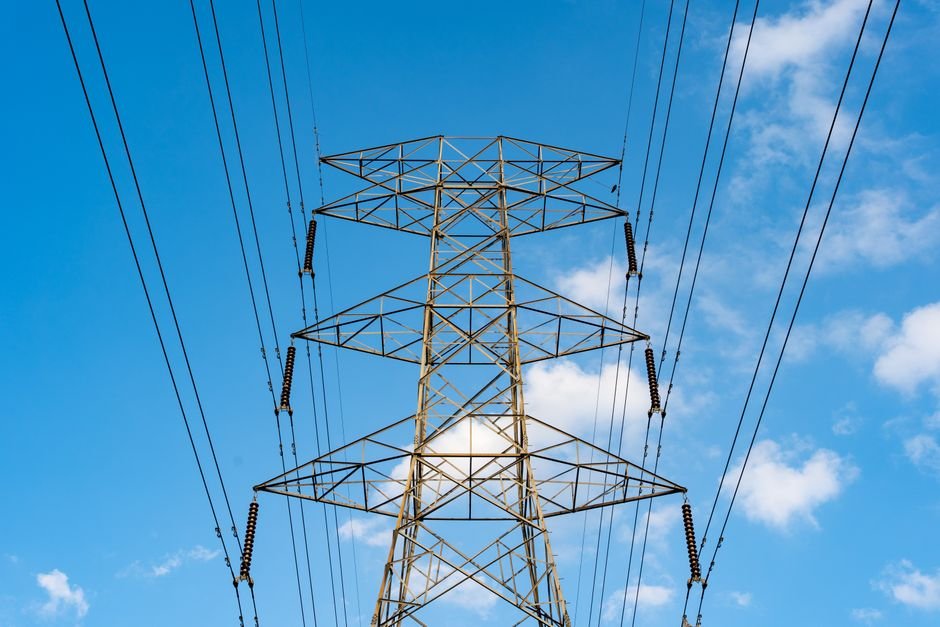
Sri Lanka’s solar energy sector has reached a critical juncture, underscoring the urgent necessity to resolve national power grid limitations while preserving private sector capital. As renewable power adoption grows, physical infrastructure bottlenecks and operational constraints within the electricity grid pose severe risks to ongoing solar generation and investor confidence across the country.

The push to scale up solar integration has highlighted severe imbalances between generation potential and grid capacity. Private investors have committed significant resources toward solar development, contributing to the nation’s clean energy targets. However, grid instability and inadequate absorption capacity threaten to hamper project performance, raising concerns over financial viability and future capital allocation.
Technical upgrades, enhanced distribution infrastructure, and modernized grid management are increasingly identified as essential prerequisites for sustainable expansion. Rather than introducing measures that potentially disrupt private investment, focus is shifting toward grid stabilization, line capacity expansion, and technical integration to ensure consistent energy delivery.
Key Developments
- Grid Infrastructure Focus: Resolving capacity bottlenecks within the national grid is crucial to absorbing increased solar output.
- Private Capital Protection: Ensuring a predictable regulatory and operational environment is essential to safeguard private solar investments.
- Technical Integration: Upgrading management systems and grid infrastructure is necessary to maintain overall power stability.
For emerging energy markets, aligning infrastructure investment with private sector participation is fundamental to long-term stability. Bottlenecks that curtail renewable input or undermine capital returns risk delaying broader energy transitions. Reinforcing grid reliability while keeping private sector incentives intact creates the institutional predictability required for sustainable power generation.