
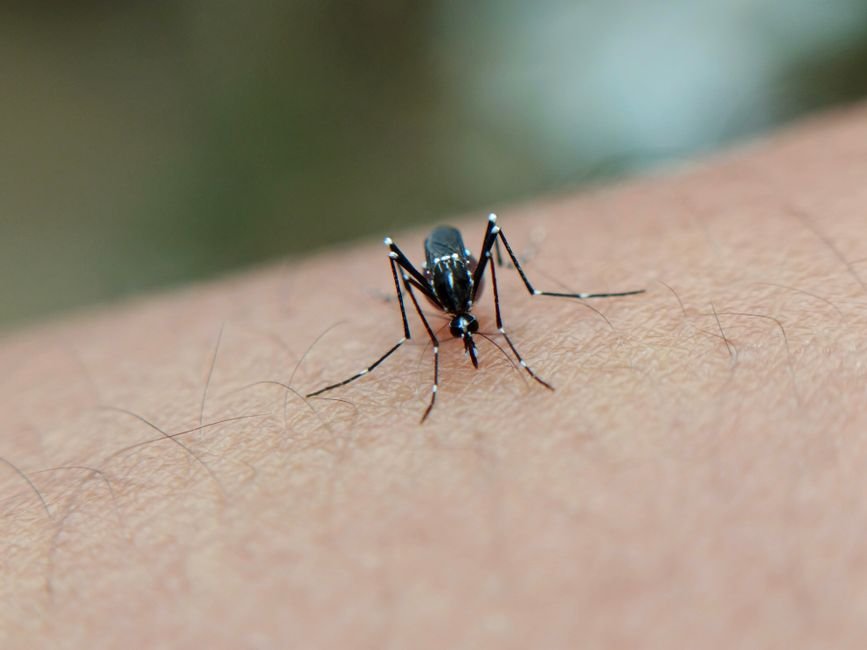
In a major effort to curb vector-borne transmission across the island nation, the World Health Organization (WHO), in collaboration with Sri Lankan health authorities, has finalized the National Dengue Review 2026. The comprehensive evaluation outlines strategic priorities aimed at enhancing Sri Lanka’s outbreak preparedness, vector surveillance, and clinical response mechanisms over the coming years.

Key Highlights
- Enhanced Vector Surveillance: Strengthening early warning systems and localized monitoring to preempt seasonal dengue surges.
- Clinical Management Training: Upskilling healthcare workers on updated triage and treatment protocols to minimize critical cases and fatalities.
- Community Mobilization: Expanding public awareness campaigns to eliminate mosquito breeding grounds in high-risk urban and rural zones.
- Inter-sectoral Collaboration: Coordinating efforts between environmental, municipal, and health agencies for sustained vector control.
Sri Lanka has historically faced recurring dengue outbreaks, often exacerbated by seasonal monsoon rains and urban growth. The 2026 review provides a vital roadmap for health officials, emphasizing integrated vector management and data-driven public health intervention.
WHO reaffirmed its commitment to providing continuous technical assistance and strategic guidance to Sri Lanka, ensuring resilient health systems capable of mitigating future epidemic threats effectively.