
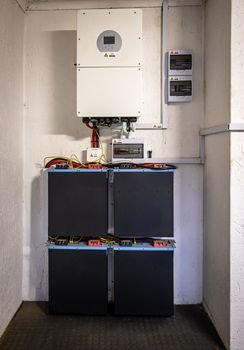
Sri Lanka is inviting global bids for a substantial 250 MW/1000 MWh Standalone Battery Energy Storage System (BESS) project. This move signals an ambitious push towards enhancing energy resilience in a country grappling with ongoing economic turmoil and energy scarcity.

The $250 million investment in renewable energy, specifically through a standalone aggregated BESS, could arguably represent a transformative shift in Sri Lanka’s energy paradigm. It demonstrates a shift in the government’s approach, recognizing the necessity for energy storage solutions as integral to stabilizing the grid, particularly with the increasing penetration of intermittent renewable energy sources such as solar and wind.
However, the invitation for international bids raises several critical questions. How will Sri Lanka ensure that this project translates into tangible benefits for the local population? The previous energy crises experienced by the nation exposed significant gaps in infrastructure and planning. Will this investment lead to a sustainable solution or merely serve as a patch for deeper systemic issues in the energy sector? Past projects have shown that without stringent oversight and strategic planning, investments can falter, resulting in further setbacks rather than solutions.
Additionally, the country’s ability to secure bidders willing to engage with its current economic landscape remains uncertain. With ongoing inflation and a struggling economy, potential investors may be wary of the risks associated with entering a market that has been under scrutiny due to mismanagement and political instability.
The focus must also extend to the technology involved in this BESS project. The capacity for a 1000 MWh storage suggests a sophisticated approach to energy management, but will the chosen technology not only meet international standards but also be adaptable to local contexts? The success of similar initiatives worldwide demonstrates the importance of selecting appropriate, versatile technology that can be maintained and operated effectively within Sri Lanka.
Looking ahead, the long-term viability of this investment hinges on two factors: strategic management and community involvement. It is essential to ensure that local interests are not sidelined in favor of foreign profits. There must be a blueprint for incorporating local labor and expertise in the execution of the project, ensuring that the benefits of this investment are widely shared rather than concentrated among a few stakeholders.
In conclusion, while Sri Lanka’s move to procure a 250 MW/1000 MWh BESS project is commendable, it is imperative that the implementation is carefully monitored and anchored in sustainable practices. The international bidding process is an opportunity not just for foreign collaboration but also for a paradigm shift in how energy is perceived and managed within the country. The road ahead will demand accountability, transparency, and an unwavering commitment to public interest to ensure that this project indeed lights the path toward a more sustainable energy future.