
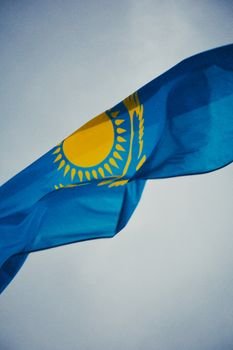
Sri Lanka’s recent initiative to forge energy cooperation with Kazakhstan raises significant questions about its strategic energy planning and the broader implications of turning toward Central Asian nations for support. This move underscores the backdrop of Sri Lanka’s ongoing energy crisis, coupled with its desperate quest for sustainable solutions.

Historically dependent on fossil fuel imports, Sri Lanka finds itself grappling with escalating energy demands and the stark reality of limited domestic production capabilities. As power shortages increasingly plague the nation, the search for alternative energy partnerships is not merely strategic but essential for stabilizing the economy and restoring public confidence.
Kazakhstan emerges as a compelling ally given its rich energy resources, including oil and gas reserves. The partnership may promise an influx of energy supplies that can alleviate Sri Lanka’s immediate crises. Yet, this thrust into energy collaboration introduces a nuanced debate about reliance on foreign powers amid the global shift towards renewable sources.
The pivotal question is whether Sri Lanka’s leadership has thoroughly considered the long-term repercussions of deepening ties with a nation like Kazakhstan. The transition to sustainable energy is not just about immediate relief; it demands foresight and a pivot towards green alternatives. Relying on fossil fuel imports from Kazakhstan could lock Sri Lanka into a cycle of dependency that stifles innovation in local energy solutions.
Further scrutiny reveals the necessity of assessments regarding the economic ramifications of such energy dealings. Partnerships in energy are not merely logistical agreements; they involve financial commitments and the potential for geopolitical leverage from Kazakhstan. Such dynamics cannot be overlooked, especially if the nation finds itself tethered to a supplier wielding economic influence.
Additionally, the environmental implications of this partnership warrant careful examination. As the global community shifts toward renewable energy to combat climate change, Sri Lanka’s renewed focus on fossil fuels might contradict global sustainability goals. This dissonance raises alarms about the country’s commitment to international climate agreements and its own environmental responsibilities.
In summary, while seeking energy cooperation with Kazakhstan is a pragmatic step for Sri Lanka in its quest for energy security, it also invites scrutiny regarding long-term strategic vision, economic implications, and environmental commitments. The path forward must strike a balance between immediate energy needs and the sustainable practices necessary for a resilient future. The stakes are high, and Sri Lanka must navigate this critical juncture with care, ensuring its decisions are rooted in a holistic energy strategy rather than short-term fixes.