
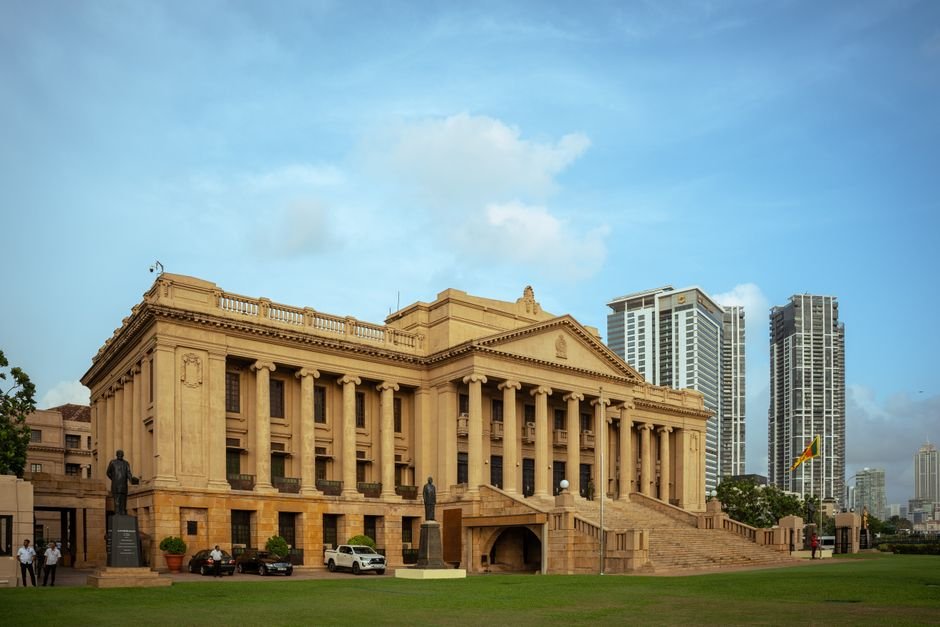
Sri Lanka is once again facing intense political debate as legal scholars, lawmakers, and civil society groups reopen long-standing constitutional fault lines. Following years of severe economic turbulence and changing political dynamics, the nation is confronting fundamental questions about the structure of its governance, executive authority, and power-sharing mechanisms.

Key Highlights
- Executive Presidency Under Scrutiny: Renewed pushes to dismantle or significantly restrain the powerful executive presidency in favor of parliamentary accountability.
- The 13th Amendment Friction: Debate continues over the full implementation of constitutional provisions granting police and land powers to provincial councils.
- Institutional Independence: Heightened demands for stronger constitutional safeguards to protect the judiciary, electoral system, and anti-corruption agencies from political interference.
Central to the ongoing friction is the balance of power between the central government in Colombo and regional administrations. Proponents of deep constitutional reform argue that structural decentralization and robust checks on executive authority are crucial for preventing future crises and ensuring equal representation for ethnic minorities.
However, conservative factions caution against reforms that could weaken central authority, creating a delicate balancing act for the nation’s leadership. As Sri Lanka navigates economic recovery programs, political analysts stress that resolving these fundamental constitutional questions will be essential for establishing long-term democratic and social stability.