
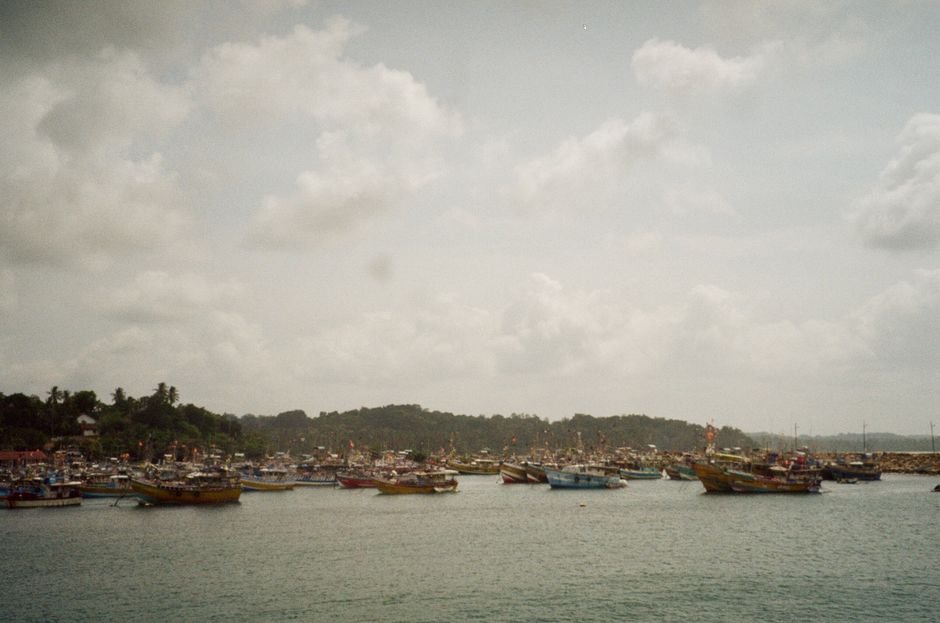
Sri Lanka has formally dismissed reports suggesting that the nation experienced diplomatic pressure from the United States regarding the handling and presence of Iranian vessels within its maritime domain. Official clarifications indicate that Sri Lankan authorities maintain complete sovereign oversight of foreign ships entering or passing through its territorial waters, acting in full compliance with international maritime law and national security protocols.

The rejection of these claims comes amidst heightened international interest in maritime movements across critical Indian Ocean sea lanes. Refuting assertions that Washington sought to influence decision-making regarding Iranian ships, Sri Lankan authorities emphasized that maritime access, port calls, and navigational permissions are evaluated independently based on established international frameworks rather than external influence.
Positioned along major global maritime trade routes, Sri Lanka regularly manages foreign naval and commercial vessels from various nations. Defense and diplomatic administrators continue to uphold a balanced foreign policy, ensuring that maritime operations within the island nation’s economic zone remain strictly governed by standard international procedures and national strategic interests.
Key Developments
- Sri Lanka explicitly denies allegations of pressure from the United States over Iranian vessels.
- Government stance highlights independent decision-making regarding foreign ship entries and port permissions.
- Maritime regulatory actions remain governed by standard international law and sovereign security protocols.
As strategic maritime corridors in the Indian Ocean remain a focal point of international observation, Sri Lanka’s response reinforces its commitment to non-aligned foreign relations and sovereign maritime governance. Authorities maintain that all foreign vessels operating near or within Sri Lankan jurisdiction will continue to be managed strictly according to legal protocols and national guidelines.